
Bridelia balansae
Bridelia balansae
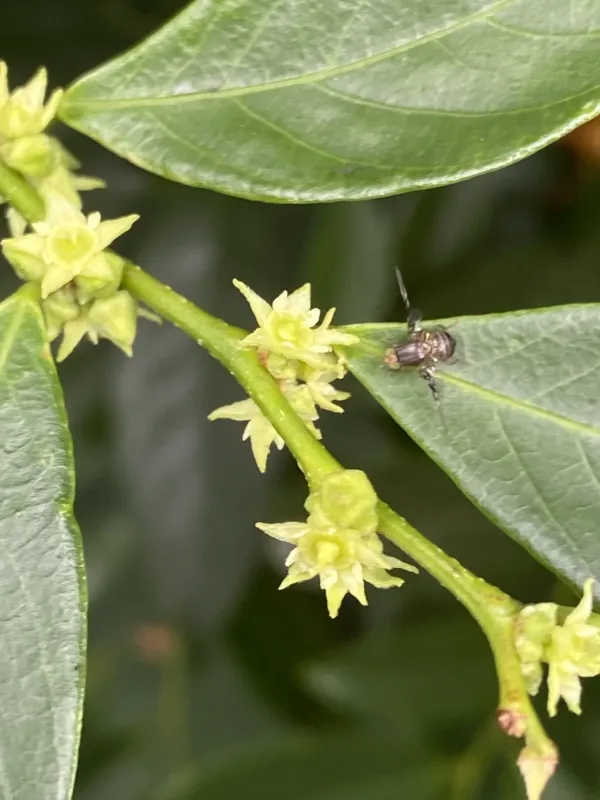
Description
Growing requirements
Bridelia balansae is a tree species belonging to the Phyllanthaceae family. This evergreen plant is highly regarded for its adaptation to tropical environments and plays a significant role in its native ecosystem.
Originating from Southeast Asia, including regions of China and Vietnam, this species thrives in forest habitats that offer deep, fertile soils. Effective drainage is a critical requirement for successful cultivation to prevent root suffocation.
The climate requirements for this species are centered on tropical heat and high ambient humidity. It is intolerant of frost, meaning that commercial cultivation is primarily suited for tropical latitudes where temperature stability is guaranteed.
Management practices for this crop focus on providing enough spacing to allow for healthy canopy development. In early stages, the plants benefit from light shade to protect them from excessive direct solar radiation.
The economic importance of the species is diverse, ranging from timber production to potential applications in traditional medicine, where various extracts of the plant have shown promising bioactivity.
Main diseases and pests
The primary threats to Bridelia balansae involve fungal pathogens that flourish in environments with poor air circulation and high humidity levels around the plantations.
Insect pests, particularly those targeting foliage and woody tissues, can cause significant damage, leading to stunted growth or increased vulnerability to secondary infections.
Strategic management of plantation density is essential to maintain optimal airflow, which acts as a natural deterrent to the spread of many fungal diseases.
Integrated pest management protocols, including regular field inspections and timely application of targeted controls, are necessary to ensure the health of the stand.
Sanitation practices such as removing infested plant material and selective pruning are vital to maintaining a high-yield and disease-resistant crop throughout its growth cycle.