
Bridelia micrantha
Bridelia micrantha
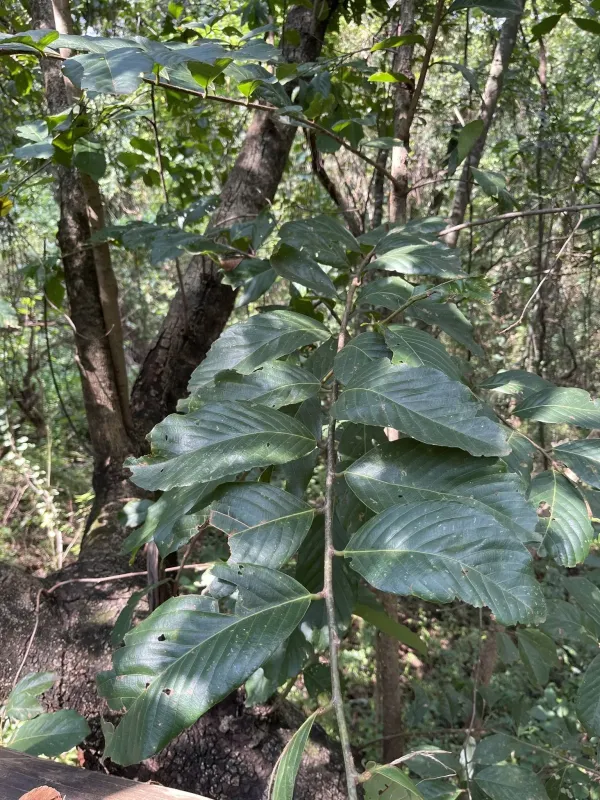
Description
Growing requirements
Bridelia micrantha, belonging to the Phyllanthaceae family, is a versatile evergreen tree widely distributed across tropical Africa. It typically thrives in regions with moderate to high rainfall and serves as a vital component of local ecosystems.
The tree requires well-drained, fertile soil to reach its maximum growth potential. While it can adapt to various soil types, it shows a preference for deep, moist soils often found along riverbanks and forest edges, where nutrients are abundant.
As a light-demanding species, Bridelia micrantha performs best in full sunlight, which promotes a straight and healthy bole. It is often found in successional forests, where it plays a key role in natural forest regeneration processes.
Agricultural management involves careful selection of planting sites and protection of young saplings from extreme weather conditions. Providing consistent hydration during the early stages of development significantly increases the survival rate of the trees.
The economic value of this tree is high; its durable timber is highly sought after for construction and tool handles, while its leaves provide a nutritious source of fodder for livestock, and its bark is traditionally used for its medicinal properties.
Main diseases and pests
The tree is susceptible to root rot, particularly in poorly drained or waterlogged soils. Ensuring effective soil drainage is the primary defense strategy against this common soil-borne fungal issue.
Pests such as aphids and various leaf-feeding caterpillars can impede the growth of young trees. Regular monitoring of the foliage and implementing preventive pest management practices are essential for nursery and plantation health.
Mechanical damage to the bark can create entry points for opportunistic fungal pathogens and wood-boring insects. Careful handling during pruning and maintenance operations is crucial to prevent long-term damage to the tree trunk.
Fire poses a significant risk to young stands of Bridelia micrantha, especially in drier climatic zones. Establishing buffer zones and maintaining clear surroundings around the trees helps mitigate fire-related losses.
Maintaining a balanced nutritional profile through appropriate fertilization can boost the tree's natural resistance to diseases. Sustainable management practices emphasize early detection and rapid response to maintain overall stand health.