
Bridelia pustulata
Bridelia pustulata
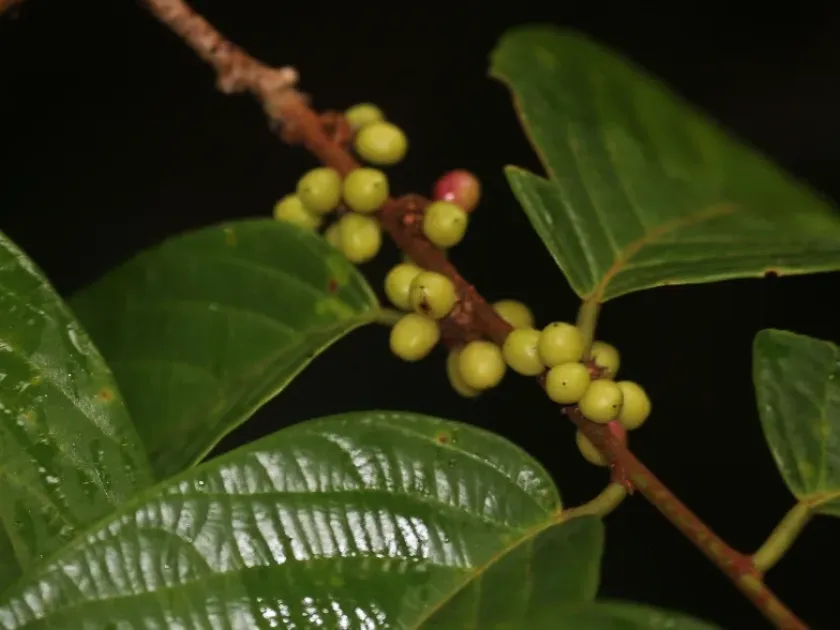
Description
Growing requirements
Bridelia pustulata is a woody plant belonging to the Phyllanthaceae family. It is native to tropical African regions where it thrives in diverse forest and woodland ecosystems.
The plant requires a tropical climate characterized by consistently warm temperatures and high relative humidity. It is sensitive to frost and extreme temperature fluctuations, which can hinder its growth cycles.
Regarding soil requirements, Bridelia pustulata performs optimally in well-draining, nutrient-rich soils. It does not tolerate waterlogging, as standing water can lead to root system decay and poor plant health.
Agricultural management involves careful irrigation planning during dry spells and ensuring that young trees receive partial shade during their early development stages to establish a strong root system.
The economic value of this crop is primarily found in its timber, which is utilized in local construction, and in the chemical properties of its leaves and bark, which are often investigated for therapeutic applications.
Main diseases and pests
The primary threats to the health of this species include fungal infections, which are often triggered by prolonged humidity and poor airflow around the plant canopy.
Pests, such as scales, mites, and various boring insects, can pose significant challenges to the plant's development, necessitating regular monitoring and early intervention.
Cultural control methods, such as pruning affected branches and maintaining clear spaces around the base of the trees, are essential to minimize the spread of pathogens.
In intensive cultivation settings, biological pest control is often preferred to maintain the ecological balance and protect the plant's natural properties used in traditional medicine.
Regular fertilization with essential micronutrients is recommended to maintain the plant's resilience against environmental stress and opportunistic pest infestations.