
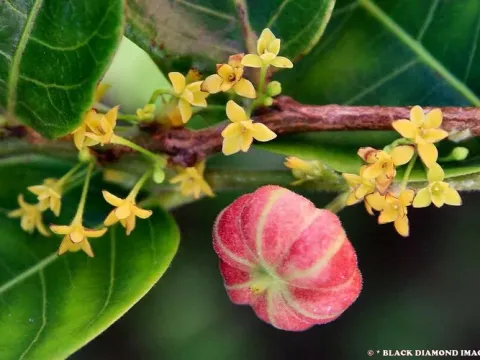
Glochidion
Glochidion
Glochidion is a diverse genus of evergreen trees and shrubs belonging to the Phyllanthaceae family. These plants are native to the tropical and subtropical regions of Asia, the Pacific, and Australia, where they thrive in diverse ecological niches.
What the section contains
 Glochidion fernandi
Glochidion fernandi
Glochidion fernandi
 Glochidion fortunei
Glochidion goniocarpum
Glochidion goniocarpum
Glochidion fortunei
Glochidion fortunei
Glochidion goniocarpum
Glochidion goniocarpum
 Glochidion harveyanum
Glochidion harveyanum
Glochidion harveyanum
 Glochidion lobocarpum
Glochidion lobocarpum
Glochidion lobocarpum
 Glochidion puberum
Glochidion puberum
Glochidion puberum
 Glochidion zeylanicum
Glochidion zeylanicum
Glochidion zeylanicum
Glochidion
The climate requirements for Glochidion are strictly tropical, demanding high temperatures and humidity for consistent growth. The plant is frost-intolerant, meaning it must be cultivated in regions where temperatures remain significantly above freezing year-round.
For optimal growth, Glochidion requires well-drained, nutrient-rich soils with a slightly acidic to neutral pH level. Proper site selection is crucial to ensure that root systems do not suffer from waterlogging, which often leads to root rot in susceptible varieties.
Agronomic management includes regular irrigation, especially during the establishment phase of saplings. The plant responds well to organic fertilization and mulch applications, which help maintain soil moisture and beneficial microbial activity.
Beyond its ecological value, Glochidion is utilized in agroforestry systems and as a source of wood in local industries. Some species are also valued for their medicinal properties, containing bioactive compounds that are subject to ongoing agricultural research.
Common threats to Glochidion include various fungal pathogens that thrive in high-humidity environments. Leaf spots and stem blights are the most frequently observed diseases, often managed by improving air circulation around the plants.
Insect pests such as scale insects, aphids, and mites pose significant risks to the foliage and younger stems. Integrated pest management (IPM) strategies, including the use of neem-based oils or biological controls, are highly recommended for sustainable cultivation.