
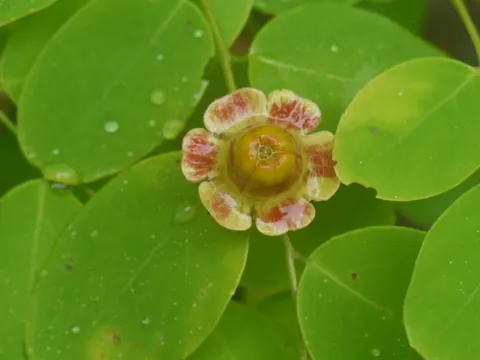
Breynia
Breynia
Breynia is a genus of tropical shrubs and trees belonging to the family Phyllanthaceae. Native to the tropical regions of Asia, Australia, and the Pacific Islands, these plants have adapted to warm, humid forest environments, making them popular subjects for decorative cultivation in warmer climates and indoor environments.
What the section contains


Breynia
The genus is characterized by its distinct zig-zag stems and small, alternate leaves. The most notable species in horticulture, Breynia disticha, is highly prized for its ornamental foliage, which often features variegated patterns in shades of white, pink, and green, adding aesthetic value to any collection.
Temperature management is a primary requirement for this species. Breynia thrives in warm conditions, with an ideal temperature range between +20°C and +25°C. It is highly sensitive to cold; therefore, protecting the plant from freezing temperatures and cold drafts is essential to maintain its health.
Humidity is a critical factor for the successful growth of Breynia. To mimic its natural tropical habitat, the plant requires a relative humidity of at least 60-70%. Indoor growers often use misting systems or pebble trays to keep the ambient moisture levels stable, preventing the common issue of leaf drop.
Regarding soil and medium, Breynia requires well-draining, nutrient-rich soil with a slightly acidic to neutral pH. A mix containing peat, loam, and coarse sand provides the necessary aeration and moisture retention. Proper drainage is mandatory to prevent the root system from sitting in stagnant water.
Pest infestations represent the main biological threat to Breynia. Spider mites are the most common concern, particularly in environments with low humidity, as they thrive on dry air. Other potential pests include scale insects and mealybugs, which can weaken the plant by feeding on its sap.
Diseases are typically linked to improper water management. Excessive soil moisture often leads to root rot and collar rot caused by fungal pathogens. Once established, these conditions are difficult to treat, often leading to the wilting and ultimate death of the specimen if not caught early.
Preventive care involves regular inspection of the foliage, especially the undersides of the leaves where pests tend to aggregate. Maintaining optimal environmental conditions, such as consistent humidity and proper ventilation, is the most effective strategy to keep the plant resilient against common diseases.
If chemical intervention becomes necessary, use appropriate insecticides or acaricides tailored to the specific pest. It is recommended to perform treatments during the early hours of the day and ensure the plant is placed away from direct sunlight immediately after application to avoid leaf burn.
Proper pruning and sanitation are also vital for disease control. By removing dead or crowded branches, the gardener improves airflow within the canopy, which significantly reduces the humidity pockets that favor the development of fungal and bacterial infections.