
Bridelia ferruginea
Bridelia ferruginea
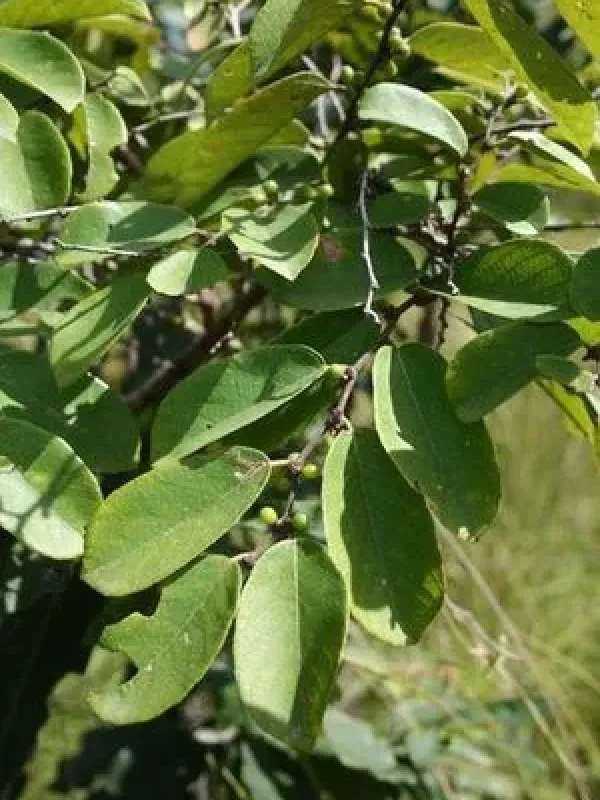
Description
Growing requirements
Bridelia ferruginea is a deciduous tree belonging to the Phyllanthaceae family, native to tropical Africa. Known for its distinct rusty-colored pubescence on young stems, this species is highly valued for its adaptability to diverse environmental conditions across the continent.
The plant thrives in a variety of soil types, ranging from sandy loams to heavier clay soils, demonstrating a remarkable tolerance for degraded or nutrient-poor lands. It is widely considered an excellent pioneer species for soil restoration and reforestation efforts.
Regarding climate, the culture is well-adapted to tropical regimes with distinct wet and dry seasons. It can withstand significant periods of water stress, making it an ideal choice for agricultural systems in drought-prone areas where other species fail to survive.
Cultivation practices involve minimal intervention once the saplings are established. The plant responds positively to pruning, which promotes denser foliage and makes it suitable for use in hedges, fence lines, and windbreaks in rural landscapes.
In agroforestry systems, Bridelia ferruginea serves as a nitrogen-fixing component and provides valuable shade for understory crops. Its rapid growth rate allows for quick establishment, providing ecological benefits and biomass within a relatively short period.
Yield
The economic value of this tree is multi-dimensional, primarily centered on its bark, which is a staple in traditional medicine. The bark contains significant levels of bioactive compounds, including tannins and flavonoids, used to treat various inflammatory and metabolic disorders.
Its timber is highly sought after for agricultural purposes due to its extreme durability and resistance to termite attacks. It is frequently used for building fence posts, farm tool handles, and structural components that require long-term ground contact.
The leaves are utilized as a vital fodder resource, particularly during the dry season when traditional pasture becomes scarce. The high nutritional profile of the foliage helps maintain the health and weight of small ruminants in local farming communities.
The fruits, while small, serve as a food source for local bird populations and wildlife, fostering biodiversity in cultivated areas. While not harvested for large-scale human consumption, they are essential for the natural regeneration of the species.
Furthermore, the tree is highly efficient in charcoal production, providing a sustainable fuel source for local markets. The integration of Bridelia ferruginea into farm land helps create a reliable and renewable cycle of resources for rural households.
Main diseases and pests
Bridelia ferruginea is generally considered a robust species; however, young plants may be susceptible to lepidopteran larvae that feed on foliage. Monitoring the trees during the early stages of growth is essential to prevent significant defoliation.
Fungal pathogens can affect the trunk if the tree suffers from mechanical damage, creating entry points for infections. Maintaining tree hygiene and ensuring proper spacing between plants helps minimize the risk of disease transmission within a stand.
Waterlogging is a major threat to the root system, often leading to susceptibility to soil-borne fungi. Selecting well-drained locations for planting is the most effective preventative measure to ensure the long-term vigor of the culture.
Competition from invasive weeds can hinder the development of young saplings, necessitating regular weeding of the area around the base of the tree. Protecting the young bark from grazing livestock is also critical for successful establishment.
- Regular inspection of bark for signs of borer infestation.
- Pruning to remove dead or diseased branches.
- Applying natural fertilizers to boost initial growth performance.