
Bridelia mollis
Bridelia mollis
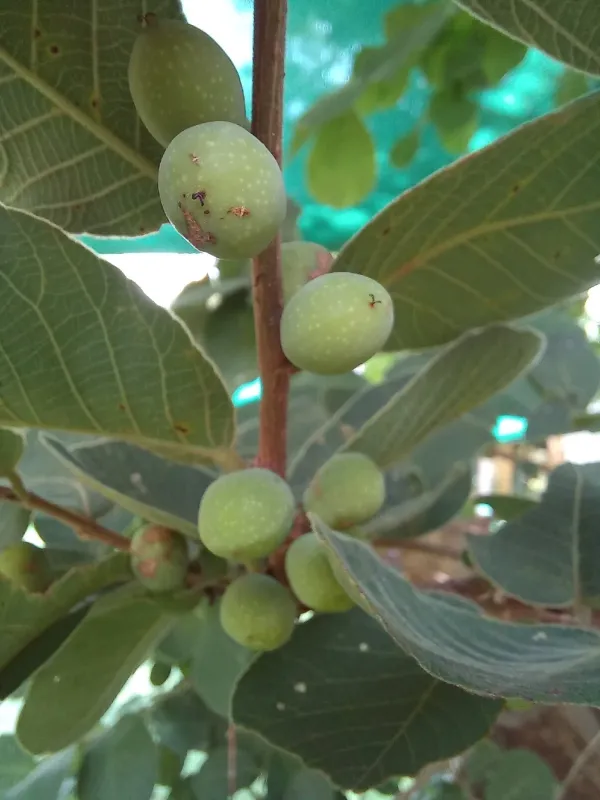
Description
Growing requirements
Bridelia mollis is a deciduous tree belonging to the Phyllanthaceae family, native to the tropical and subtropical regions of Africa. Known for its soft-hairy foliage, it typically grows in woodland savannas and on rocky slopes, displaying a sturdy and adaptable growth habit.
This species thrives in well-drained soil ranging from sandy to loamy textures. It is well-adapted to environments with distinct dry seasons, demonstrating significant drought tolerance once it has established a mature root system, which is essential for its survival in harsh climates.
Environmental conditions require full to partial sun exposure for optimal development. As a tropical crop, it demands stable warm temperatures throughout the year and is sensitive to frost, which limits its primary cultivation area to regions that mirror its native habitat.
Agronomic practices for Bridelia mollis involve propagation through seeds, which should be sown in prepared nursery beds. Seedlings require careful irrigation during the first year, but as the trees mature, their dependence on supplemental watering decreases significantly.
The tree holds notable economic value. Its wood is highly prized for its durability and resistance to termites, making it suitable for construction and furniture manufacturing. Additionally, various parts of the plant are utilized in traditional medicine, particularly for their healing properties.
Main diseases and pests
Bridelia mollis is generally resistant to many pests; however, young saplings may be susceptible to defoliating insects during the peak of the growing season. Early intervention is necessary to prevent potential growth retardation in developing trees.
Fungal diseases, specifically leaf spot, can occur in areas with poor ventilation or consistently high humidity levels. Maintaining appropriate planting density is a key management strategy to improve air circulation and reduce disease pressure.
Root rot remains a concern if the soil is poorly drained, as it can cause sudden tree decline. Site selection and land preparation are the most effective preventive measures against soil-borne pathogens in commercial or managed settings.
Integrated pest management (IPM) is recommended to address potential infestations. This includes regular scouting for symptoms and the use of eco-friendly biological controls to maintain the health of the plantation without harming beneficial organisms.
Sanitation practices, such as the removal of dead wood and diseased branches, are vital for keeping the tree canopy healthy and limiting the spread of potential pathogens within a forest or orchard environment.