
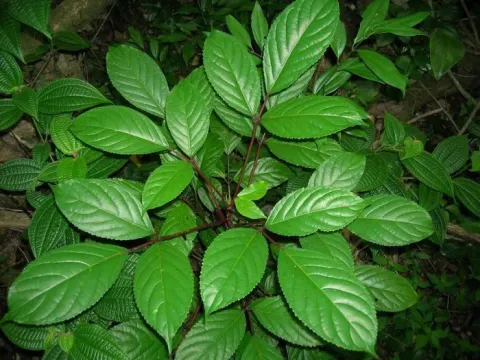
Bischofia
Bischofia
Bischofia is a genus of plants belonging to the family Phyllanthaceae. It typically consists of large, evergreen or deciduous trees that are native to the tropical regions of Asia and the Pacific islands.
What the section contains


Bischofia
The tree thrives in warm, humid climates and is often naturally distributed along riverbanks and in lowland forest ecosystems where moisture levels are consistent throughout the year.
Optimal growth requires deep, nutrient-rich soils with excellent drainage. While the species enjoys humidity, it does not tolerate waterlogging, which can lead to root system failure.
It is an intensely light-demanding species. Full sun exposure is necessary for the tree to maintain its rapid growth rate and develop the dense wood characteristics it is known for.
Agrotechnical management involves regular site maintenance, including weeding and soil aeration during the early stages of development to ensure the trees establish strong roots.
The primary economic value of Bischofia lies in its timber, which is highly regarded for its durability and resistance to decay, making it an excellent material for outdoor applications.
It is widely used in the manufacturing of flooring, heavy-duty furniture, and architectural timber. Its natural properties allow it to withstand harsh environmental conditions.
In landscaping, the species serves as a vital component for urban reforestation and public parks. Its expansive canopy provides essential shade in high-temperature environments.
Beyond wood production, there is emerging research into the medicinal and industrial applications of the tree’s extracts, which may provide secondary income streams for producers.
The yield of high-quality wood is measured by the volume of usable logs per hectare, which reflects the successful implementation of long-term silvicultural practices.
The culture is susceptible to various fungal pathogens, especially in environments where humidity remains trapped due to poor circulation between dense canopy layers.
Insect pests, particularly borers that target the sapwood and cambium, pose a significant risk to tree health. They can structurally weaken the timber and facilitate secondary infections.
Integrated pest management protocols, including early detection and the use of targeted biological controls, are essential to minimize damage in commercial forest stands.
Regular sanitation, such as the pruning of dead or infected branches, helps maintain the overall health of the tree and prevents the spread of pathogens throughout the plot.
Maintaining proper spacing between individual trees is a critical management strategy to promote air circulation and reduce the incidence of moisture-related plant diseases.