
Bridelia insulana
Bridelia insulana
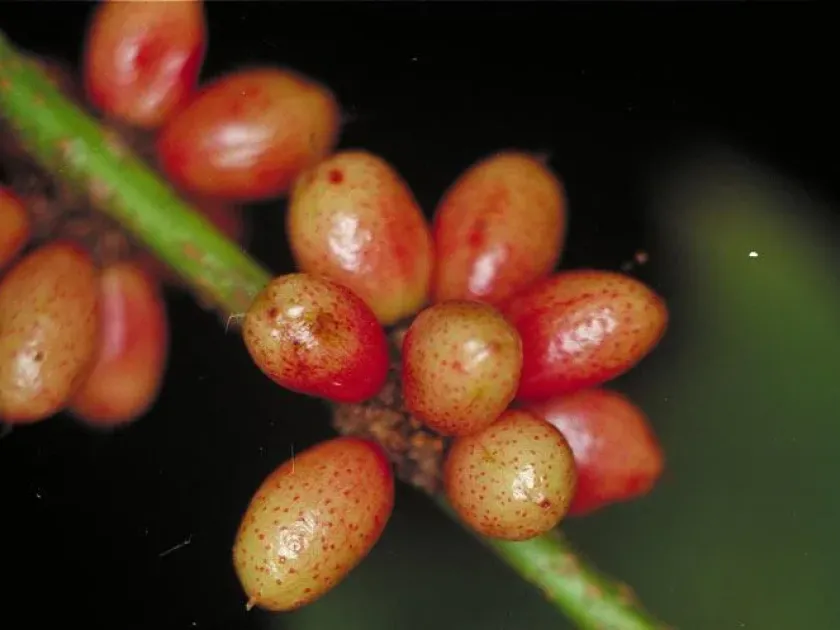
Description
Growing requirements
Bridelia insulana is a significant woody species belonging to the Phyllanthaceae family. This tropical tree is well-known for its ecological role and its ability to thrive in the dense forest conditions characteristic of Southeast Asia.
The native habitat of this plant includes regions such as Indonesia, Malaysia, and the Philippines. It typically prefers moist, fertile soils that provide sufficient nutrients and water-holding capacity for rapid biomass accumulation.
In terms of climatic requirements, this species demands high humidity and a consistent tropical temperature range. It is sensitive to extreme frost or prolonged cold, making it unsuitable for cultivation in temperate or subtropical zones without specific greenhouse environments.
Soil management for Bridelia insulana should focus on maintaining adequate drainage. While the species loves moisture, stagnant water in the root zone can trigger physiological stress and invite pathogen outbreaks in the lower stems.
Economic utility is largely driven by the high-quality timber produced by the species. The wood is durable and dense, making it a preferred material for traditional construction, carpentry, and various agricultural implements used by local communities.
Yield
The total yield of Bridelia insulana is measured by wood density and the annual growth rate per hectare. In organized forestry, the yield is maximized through selective thinning and ensuring that each individual tree has sufficient space for crown development.
Main diseases and pests
Fungal diseases constitute a primary biological threat to the health of the tree, especially during the seedling stage. Implementing proper spacing and ventilation in nurseries is critical to mitigating the risk of dampening off and root rot diseases.
Various defoliating insects present a recurring challenge to the plant's health. Integrated pest management strategies, focusing on biological controls, are highly recommended to ensure the growth cycle remains undisturbed by major pest infestations.