
Bridelia ovata
Bridelia ovata
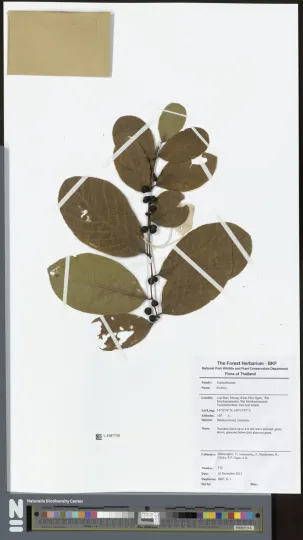
Description
Growing requirements
Bridelia ovata is an evergreen shrub or small tree belonging to the Phyllanthaceae family. Native to the tropical regions of Southeast Asia, it is well-adapted to hot and humid environments.
The plant thrives in regions with stable tropical temperatures. It requires a significant amount of sunshine for optimal growth and should be planted in areas receiving direct or slightly filtered sunlight.
Soil requirements for this crop include well-drained, fertile, and nutrient-rich substrates. The plant cannot tolerate waterlogged conditions, making effective drainage systems a crucial requirement for successful farming.
Regarding agricultural practices, consistent but not excessive moisture is essential for development. Applying organic mulching can help maintain soil moisture levels and provide necessary nutrients as the mulch decomposes.
It is generally resilient in its native habitat but requires protection from strong, persistent winds. Establishing windbreaks around the plantation is a recommended practice to avoid mechanical damage to the branches.
Main diseases and pests
Common pests affecting Bridelia ovata include scale insects and various aphids, which tend to infest the soft tissues of new shoots and leaves. Regular monitoring is essential to prevent significant damage.
Fungal diseases, including leaf spot and anthracnose, can be prevalent during periods of high humidity. Improving air circulation within the plant canopy is a fundamental preventive measure for growers.
Root rot caused by poor soil drainage remains a significant risk. If soil becomes compacted or waterlogged, the risk of pathogen infection in the root zone increases substantially.
Leaf miners may also present a challenge, particularly in nurseries where young plants are densely packed. Integrated pest management strategies are advised to keep populations under control.
Maintaining high agricultural standards, including proper plant spacing and nutrient management, significantly reduces the susceptibility of the crop to major pests and diseases.
Harvesting
The agricultural and economic utility of Bridelia ovata is primarily tied to its medicinal applications. The leaves and bark are recognized for their bioactive compounds, often used in local traditional medicine.
The wood of the tree is highly valued for its durability and resistance to wear. It is commonly utilized in the manufacturing of tool handles, small construction items, and various handicraft products.
In addition to its direct material value, the plant is used in agroforestry. Its ability to provide shade and stabilize soil structures makes it an excellent choice for erosion control on hilly agricultural land.
Harvesting methods involve selective pruning and leaf collection. By harvesting in cycles, farmers can ensure the sustainable production of botanical material without endangering the tree's overall health.
Future prospects for the crop include potential industrial usage in the cosmetic and pharmacological sectors due to the antioxidant properties found in its foliage.