
Bridelia scleroneura
Bridelia scleroneura
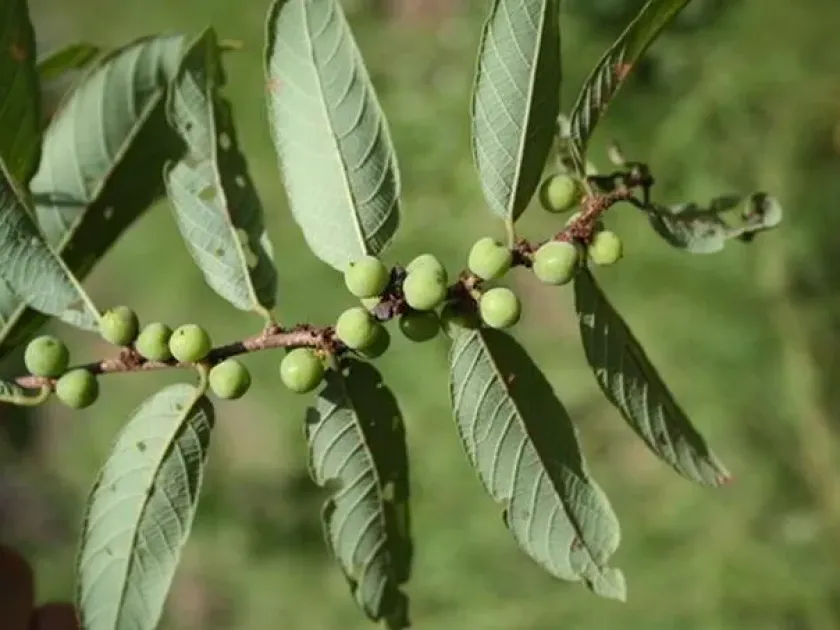
Description
Growing requirements
Bridelia scleroneura is a species of tree or shrub belonging to the Phyllanthaceae family. Native to tropical Africa, it is widely distributed across the continent, thriving in various landscapes from coastal savannas to inland forest edges.
The plant demonstrates remarkable adaptability to diverse soil conditions, including well-drained sandy or rocky soils. It is well-suited for agroforestry systems due to its ability to tolerate competition and maintain soil structure.
It requires a tropical climate with a distinct dry season. Full sun exposure is essential for the healthy development of the canopy and fruit production, making it an ideal choice for open plantation designs.
Water requirements are moderate, as the species has evolved mechanisms to survive prolonged droughts. Irrigation is generally only necessary during the initial establishment phase of young saplings.
Propagation is primarily carried out via seeds. Nursery management is recommended for the first year to ensure the seedlings reach sufficient size before outplanting in their permanent location.
Harvesting
The economic utility of Bridelia scleroneura is extensive. The tree is highly valued for its dense, termite-resistant timber, which is utilized for construction, tool handles, and traditional furniture making.
In medicinal practice, the bark and roots contain bioactive compounds that are traditionally used to treat ailments including gastrointestinal disorders, skin infections, and inflammatory conditions.
The edible fruits provide a nutritional supplement and are highly attractive to local biodiversity, playing a key role in the ecological stability of the areas where the tree grows.
Harvesting is typically conducted by local communities following seasonal patterns. Sustainable bark harvesting methods must be employed to ensure the tree's survival and long-term productivity.
Ongoing research into its secondary metabolites suggests that Bridelia scleroneura could become an important industrial crop for the production of natural anti-inflammatory agents and botanical extracts.