
Bridelia tomentosa
Bridelia tomentosa
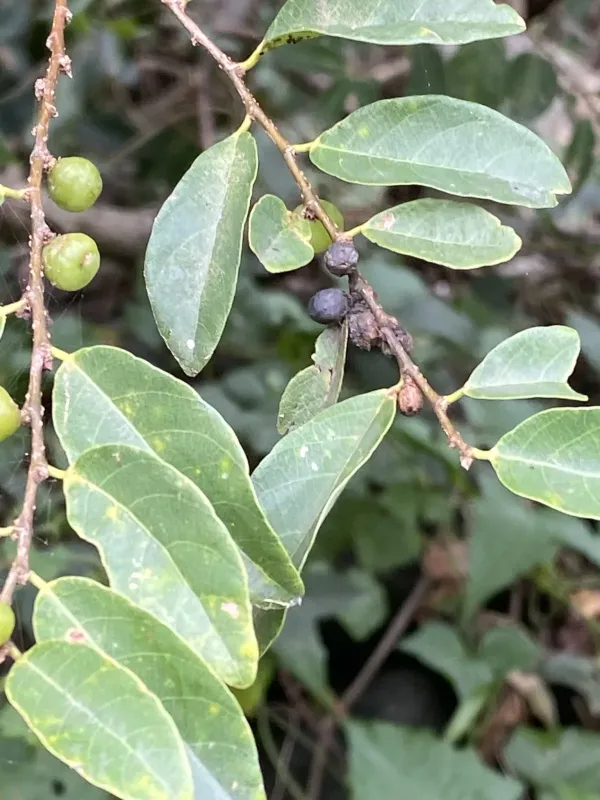
Description
Growing requirements
Bridelia tomentosa, commonly known as the hairy bridelia, is a woody shrub or small tree belonging to the Phyllanthaceae family. Native to tropical regions of Asia and Australia, this species is well-regarded for its adaptability to diverse environmental conditions and its resilience in various habitats.
The plant thrives in open forests, along riverbanks, and in degraded secondary vegetation areas. It exhibits a remarkable ability to colonize poor soils, making it an excellent candidate for land reclamation and erosion control projects in tropical agroforestry systems.
Environmental requirements include a tropical climate with high humidity and consistent warmth. While it prefers sunny locations, it can tolerate partial shading during the seedling stage. Once established, the root system is robust enough to endure seasonal water scarcity.
Soil management for Bridelia tomentosa focuses on maintaining good drainage and preventing waterlogging. While it does not require intensive fertilization, an occasional application of organic compost can stimulate vigorous growth and improve the leaf biomass production.
Pruning is often employed in plantation settings to manage the plant structure and facilitate easier harvesting of leaves or bark, which are frequently used in traditional medicine. Regular maintenance also helps in monitoring the overall vitality of the plantation area.
Main diseases and pests
The plant is susceptible to a variety of insect pests, including leaf-eating beetles and sap-sucking insects like aphids. Infestations are more prevalent in dense or poorly managed stands, where limited airflow creates microclimates favorable for pest breeding.
Fungal pathogens such as leaf spot disease can pose a significant threat during periods of excessive rainfall or high moisture. These diseases can defoliate the plant, leading to stunted growth and reduced yields of the parts collected for medicinal use.
Wood-boring insects may affect mature specimens, creating galleries within the stem and weakening the structural integrity of the tree. Effective management involves the removal of dead or infested wood to limit the spread of these pests throughout the growing site.
Weed management is crucial during the establishment phase. Competing vegetation can significantly restrict the growth of young Bridelia tomentosa plants. Mulching is recommended as an effective, non-chemical method to suppress weeds and retain soil moisture.
Integrated Pest Management (IPM) is the standard approach for this crop, emphasizing biological controls such as the use of predatory insects or natural extracts. Minimizing synthetic pesticides is vital to maintaining the medicinal value and safety of the plant materials harvested.