
Bridelia stipularis
Bridelia stipularis
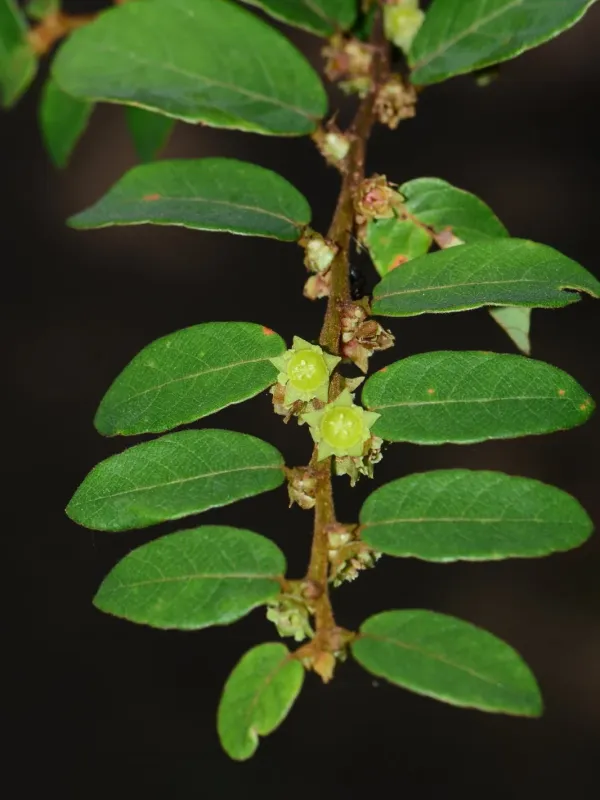
Description
Growing requirements
Bridelia stipularis is a vigorous woody climber or shrub belonging to the Phyllanthaceae family. Native to tropical regions of Asia and Africa, this species is well-adapted to humid environments and thrives in secondary forests and thickets.
The plant demonstrates a strong preference for well-drained, nutrient-rich soils. While it is tolerant of various soil types, maintaining a high level of soil organic matter is essential for vigorous vegetative growth and optimal plant health.
Regarding climate, the plant requires warm temperatures and high humidity to flourish. It lacks cold tolerance, which limits its geographical cultivation range to tropical and subtropical zones where the frost-free season is year-round.
Agronomic management involves providing adequate support structures for the climbing stems. Proper training and pruning are recommended to maintain plant structure and facilitate easier harvesting of leaves and fruits.
Economic utility is centered on its medicinal properties, particularly in traditional phytotherapy. The plant is also utilized in rural areas for fiber production and as a source of supplementary food in some specific regions.
Main diseases and pests
Disease pressure on Bridelia stipularis often stems from fungal pathogens thriving in stagnant, humid air. Leaf spots and powdery mildew can occur if the canopy density is not managed appropriately through pruning.
Pest populations typically include leaf-eating caterpillars and sap-sucking insects that can cause significant foliage damage during the active growing season if not monitored closely by the grower.
Effective management strategies include cultural practices such as regular thinning of the foliage to improve air circulation and sunlight penetration, which drastically reduces the microclimate suitability for fungi.
For chemical or biological control, it is advised to use selective treatments that target identified pests while preserving natural predators within the field environment.
Sanitation practices, such as removing dropped foliage and trimming infected stems, are critical to prevent the carryover of diseases and ensure the long-term productivity of the plantation.