
Bridelia brideliifolia
Bridelia brideliifolia
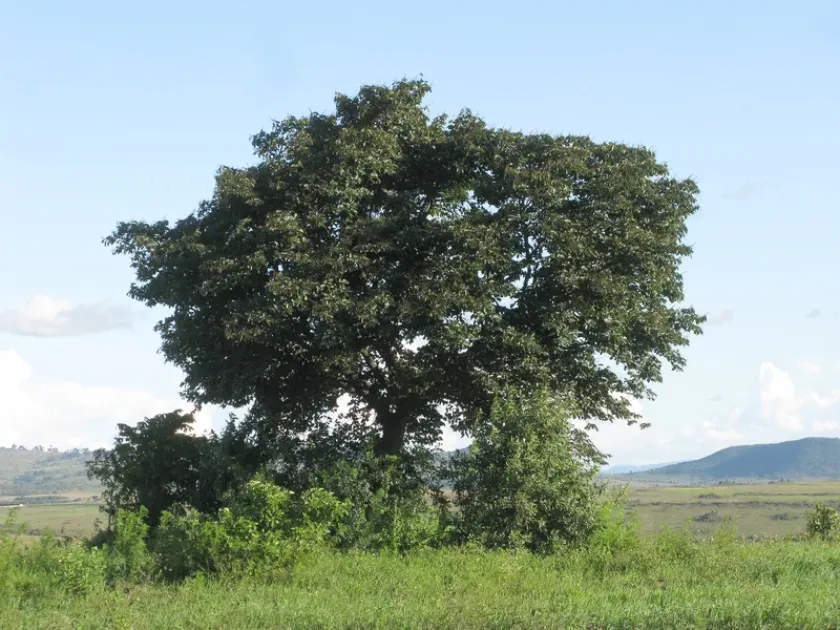
Description
Growing requirements
Bridelia brideliifolia is a prominent species within the Phyllanthaceae family, known for its robust growth and versatility in tropical ecosystems. It typically manifests as a large, evergreen tree that can reach significant heights in favorable conditions.
The origin of this species is traced to the tropical regions of Africa, specifically flourishing in montane forests and moist woodland areas. Its natural distribution demonstrates a high level of resilience across varying altitudes and ecological niches.
Soil requirements for optimal growth include well-drained, nutrient-rich substrates. While it can adapt to various soil types, the highest growth rates are observed in loamy soils that provide a balance between water retention and aeration.
Climate needs are strictly tropical, requiring consistent warmth and protection from heavy frost. The tree thrives in high-rainfall environments, although it demonstrates a degree of drought tolerance once the root system is fully established.
Agronomic management involves periodic site maintenance to ensure saplings are not outcompeted by invasive weeds. During the establishment phase, providing adequate space between trees is vital to ensure proper canopy development and diameter growth.
Harvesting
The primary economic use of Bridelia brideliifolia is for its high-quality timber. The wood is dense, durable, and highly resistant to decay, making it an excellent choice for structural purposes and artisanal furniture making.
Beyond timber, the species is widely utilized in ethnobotanical contexts. The bark and roots are frequently harvested for traditional medicinal applications, providing relief for various common health issues in rural communities.
In agroforestry systems, the tree is often planted as a component of windbreaks or for soil stabilization. Its deep root system helps in preventing soil erosion on slopes, contributing to sustainable land management practices.
Harvesting strategies prioritize sustainability, often involving selective cutting rather than clear-cutting. This approach preserves the forest structure and ensures that natural regeneration can occur within the planted areas.
Processing the harvested products requires careful handling to maintain the integrity of the wood fibers. Given its durability, the final products have a long lifespan, which adds significant value to the agricultural output of the species.