


SKU #67001
·
51 views
Triticale VENETS
Triticale
Prices in stores
No offers yet — stores have not added prices for this product yet.
Similar varieties with prices
-
KentavrFRSC
from 1 374.95 €
-
 ROVNYAVerkhnevolzhsky FANTS
from 0.97 €
ROVNYAVerkhnevolzhsky FANTS
from 0.97 €
-
 Kharkivskaya Support
from 0.38 €
Kharkivskaya Support
from 0.38 €
-
 AyaksPrivate enterprise Sort
from 6.04 €за л
AyaksPrivate enterprise Sort
from 6.04 €за л
Type
Winter triticale
Plant Height
90-100 cm, 100-110 cm, 110-120 cm
Registration year
2021
Your mark
0 votes
0% positive ratings
Description
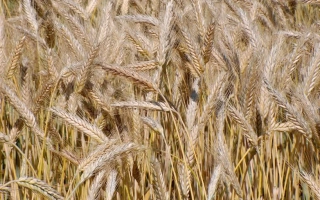
Venets is a winter triticale variety intended for cultivation in various regions of Russia, including the Central, Central Black Earth, North Caucasian, and Lower Volga regions. It is characterized by early heading and medium plant height, reaching between 86 and 120 cm depending on the region and variety variant. The mass of 1000 seeds is approximately 45–48 grams, indicating good grain quality. The variety has a semi-upright bush type and spike, half-bearded or beardless, which ensures resistance to lodging and shattering. Venets is distinguished by high drought tolerance and frost resistance above average, making it a reliable choice for various climatic conditions. The yield of the Venets variety is high and stable. In the Central region, average grain yield reaches 45.5 c/ha with an increase to the standard of 4.4%, while in the Central Black Earth region it is 65.2 c/ha with maximum figures up to 106 c/ha. In the North Caucasian region, yield reaches 45.8 c/ha, and in the Lower Volga region — 21.5 c/ha with maximum values up to 79.3 c/ha. Protein content in the grain varies from 12.0% to 13.4%, exceeding standard indicators, and protein collection reaches 7.5 c/ha, which is important for feed and food use. Potential yield can reach 130 c of grain per hectare, confirming the high productivity of the variety. The Venets variety is recommended for obtaining green mass for feed, as well as for producing grain used in fodder and food directions, including the baking industry and spirit production. It possesses resistance to main diseases such as brown and yellow rust, septoria, leaf spotting, head fusarium, and viral infections, ensuring reliability and yield stability. Thanks to a medium level of bushiness and density of agrophytocenosis, as well as good threshability, Venets is a universal and promising variety for various agrotechnical conditions.
Crop & resistance
Disease resistance
Specifications
| Type | |
|---|---|
| Plant Height | 90-100 cm, 100-110 cm, 110-120 cm |
| Registration year | 2021 |
| Catalog | Catalog → Triticale |
| Legal data |
Show · 1 |
| Country | Russia |
No reviews yet. Be the first to share your experience.
Alternatives
Triticale seeds · similar varieties




See also
Often considered together with this variety


Recently viewed
Products you’ve viewed on this site
Reviews