


SKU #67058
·
51 views
Makar
Triticale
User rating
0 votes0% positive reviews
No ratings yet — be the first.
Type
Winter triticale
Plant Height
90-100 cm, 100-110 cm, 110-120 cm
Registration year
2010
Prices in stores
from0.26 €per 1 kg
pack from 259.45 € per 1 t
1 offer from 1 store
Store offers · 1 from 1 stores
Prices are updated on loadLoading offers…
Available at: Агропошта
Aggregator catalog: prices are collected automatically from store websites, normalized by AI and converted at the current exchange rate. Before ordering, confirm the price and availability on the store's website. This block is not indexed by search engines — the data is loaded after the page opens.
About product

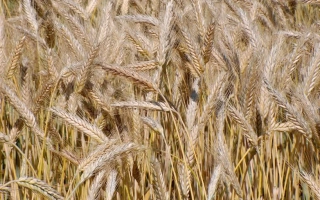
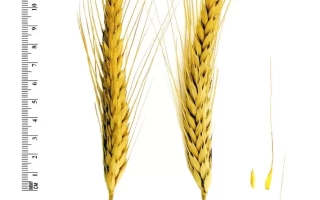
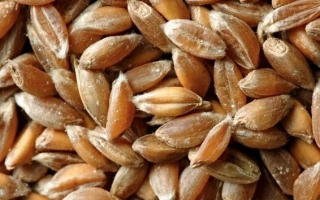
MAKAR is a winter triticale variety, a hybrid of wheat and rye, intended for grain-feed use. The plant is characterized by short to medium length, a height of 90 to 125 cm, and a semi-prostrate or prostrate bush. The head is white, of medium length or long, of medium density and fully awned, with short awns at the tip. The grain is elongated, red, of medium size, with a mass of 1000 grains ranging…
Type
Winter triticale
Plant Height
90-100 cm, 100-110 cm, 110-120 cm
Registration year
2010
Description
MAKAR is a winter triticale variety, a hybrid of wheat and rye, intended for grain-feed use. The plant is characterized by short to medium length, a height of 90 to 125 cm, and a semi-prostrate or prostrate bush. The head is white, of medium length or long, of medium density and fully awned, with short awns at the tip. The grain is elongated, red, of medium size, with a mass of 1000 grains ranging from 40.1 to 50.6 g. The vegetative period of the variety lasts from 241 to 272 days, with medium heading time. The MAKAR variety is distinguished by high winter hardiness, lodging resistance at the level of standards, and high resistance to a range of diseases, including brown and yellow rust, powdery mildew, loose smut, and septoria. Additionally, the variety is moderately resistant to stem rust and fusarium head blight. Waxy bloom on the sheath of the flag leaf is strongly expressed, while stem neck pubescence varies from weak to medium. Average grain yield in the North Caucasus region is 43.5 c/ha (centners per hectare), exceeding the average standard by 2.3 c/ha, and dry matter yield reaches 102.6 c/ha. Triticale MAKAR is well adapted to various soil types and climatic conditions, ensuring stable high yields. Triticale grain is characterized by high protein, mineral, and starch content, making it valuable for feeding agricultural animals and producing compound feeds. Additionally, triticale is used in the food industry for producing pasta and bread, expanding the application possibilities of this variety.
Crop & resistance
Specifications hover over for a hint about the specification
|
Type
Type
Galia (Galia) type — relatively new, of Israeli origin, although there are indications that this variety may originate from Spain. The fruits of this type are round or oval, weighing about 1 kg. The surface is smooth, covered with a delicate, connected netting, turning yellow whe... |
|
|---|---|
| Plant Height | 90-100 cm, 100-110 cm, 110-120 cm |
| Registration year | 2010 |
| Catalog | Catalog → Triticale |
| Legal data |
Show · 1 |
| Country | Russia |
Not yet комментариев. Be the first!
Alternatives
Triticale seeds · similar varieties



See also
Often considered together with this variety




Recently viewed
Products you’ve viewed on this site
Reviews · 0