


SKU #43620
·
55 views
Kremona
Sugar Beet
SyngentaUser rating
0 votes0% positive reviews
No ratings yet — be the first.
Direction Type
Sugar-type (Z)
Ploidy Type
Diploid
Sugar Content
17-18%
Recommended Density
100-110 thous. pcs/ha
About product

Cremona — a mid-season diploid hybrid sugar beet, intended for cultivation in all regions of the sugar beet-growing zone. This hybrid is characterized by high yield and increased sugar content, reaching 17.7%, making it profitable for sugar production. Cremona features rapid early germination and adaptability to various growing conditions, ensuring stable yield even under adverse agro-climatic fac…
Direction Type
Sugar-type (Z)
Ploidy Type
Diploid
Sugar Content
17-18%
Recommended Density
100-110 thous. pcs/ha
Description
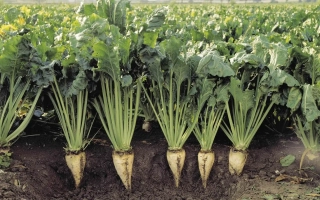
Cremona — a mid-season diploid hybrid sugar beet, intended for cultivation in all regions of the sugar beet-growing zone. This hybrid is characterized by high yield and increased sugar content, reaching 17.7%, making it profitable for sugar production. Cremona features rapid early germination and adaptability to various growing conditions, ensuring stable yield even under adverse agro-climatic factors. The root crop head is typically positioned above the soil surface, with a recommended plant density of 100-115 thousand per hectare at a seeding rate of 1.4 p.e./ha.
The hybrid exhibits resistance to important sugar beet diseases such as rhizomania, cercosporosis, powdery mildew, and aphanomyces root rot, significantly reducing yield losses and the need for intensive chemical protection. However, it is not resistant to nematodes, which should be considered when planning crop rotation. Cremona is especially recommended for regions with overuse of sugar beet and potato in crop rotation, where its adaptability and disease resistance ensure high productivity.
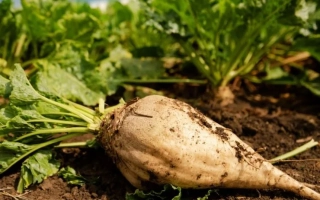
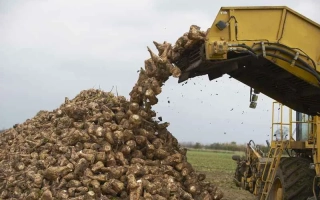
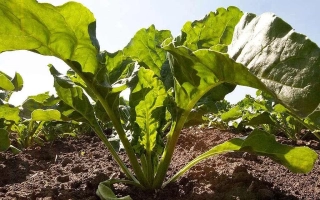
Sugar beet Cremona is a biennial plant forming an elongated root crop with firm white flesh and basal leaf rosette in the first year. In addition to sugar production, processing of this hybrid’s beet allows for by-products such as beet pulp, molasses, and manure, which have significant economic value. Molasses is used for producing alcohol, glycerin, citric acid, and yeast, manure serves as a valuable fertilizer, and beet pulp is a nutritious feed for livestock. Additionally, sugar beet can be used to produce ethanol, which serves as an alternative fuel.
The hybrid exhibits resistance to important sugar beet diseases such as rhizomania, cercosporosis, powdery mildew, and aphanomyces root rot, significantly reducing yield losses and the need for intensive chemical protection. However, it is not resistant to nematodes, which should be considered when planning crop rotation. Cremona is especially recommended for regions with overuse of sugar beet and potato in crop rotation, where its adaptability and disease resistance ensure high productivity.
Sugar beet Cremona is a biennial plant forming an elongated root crop with firm white flesh and basal leaf rosette in the first year. In addition to sugar production, processing of this hybrid’s beet allows for by-products such as beet pulp, molasses, and manure, which have significant economic value. Molasses is used for producing alcohol, glycerin, citric acid, and yeast, manure serves as a valuable fertilizer, and beet pulp is a nutritious feed for livestock. Additionally, sugar beet can be used to produce ethanol, which serves as an alternative fuel.
Crop & resistance
Crop
Disease resistance
Specifications hover over for a hint about the specification
| Direction Type | |
|---|---|
| Ploidy Type | |
| Sugar Content | 17-18% |
|
Recommended Density
Recommended Density
Optimal productivity is achieved at a planting density of 4000-5500 plants/ha. Possible planting scheme: 300-500x40-80 cm. |
100-110 thous. pcs/ha |
| Registration year | 1994 |
| Catalog | Catalog → Sugar Beet |
| Manufacturer | Syngenta |
| Country | Switzerland |
Store offers
Prices are updated on loadLoading offers…
Aggregator catalog: prices are collected automatically from store websites, normalized by AI and converted at the current exchange rate. Before ordering, confirm the price and availability on the store's website. This block is not indexed by search engines — the data is loaded after the page opens.
Not yet комментариев. Be the first!
Alternatives
Sugar beet seeds · similar varieties






See also
Often considered together with this variety






Recently viewed
Products you’ve viewed on this site
Reviews · 0