


SKU #43642
·
46 views
Logan
Sugar Beet
STRUBEUser rating
0 votes0% positive reviews
No ratings yet — be the first.
Direction Type
Normal-Yield Type (NE)
Ploidy Type
Diploid
Root; shape
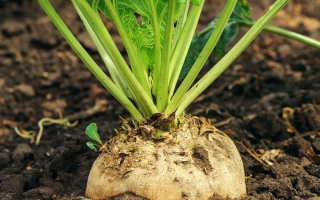
Broadly conical
Sugar Content
19-20%
About product

Logan is a hybrid sugar beet (Beta vulgaris L. ssp. vulgaris var. saccharifera Alef.), representing a single-stemmed diploid hybrid on a sterile NE-type base. It belongs to the mid-early maturity group and is included in the State Register for the Central Chernozem, North Caucasus, Middle Volga, and Ural regions. It is recommended for cultivation in the Krasnodar and Stavropol regions, as well as…
Direction Type
Normal-Yield Type (NE)
Ploidy Type
Diploid
Root; shape
Broadly conical
Sugar Content
19-20%
Description
Logan is a hybrid sugar beet (Beta vulgaris L. ssp. vulgaris var. saccharifera Alef.), representing a single-stemmed diploid hybrid on a sterile NE-type base. It belongs to the mid-early maturity group and is included in the State Register for the Central Chernozem, North Caucasus, Middle Volga, and Ural regions. It is recommended for cultivation in the Krasnodar and Stavropol regions, as well as in the Penza region. The Logan hybrid is characterized by high root yield, high sugar content, and significant sugar harvest across various regions, confirming its adaptability and efficiency under different climatic conditions.
Sugar beet Logan is a heat-loving and drought-tolerant crop, with an optimal growth and development temperature of 20-22°C, although photosynthesis proceeds successfully even at temperatures above 40°C. The plant requires adequate moisture, especially during the intensive root growth period in July-August. Due to its well-developed root system capable of absorbing water from depths up to 2.5 meters, sugar beet tolerates drought well. Seeds germinate at temperatures from +4 to +17°C, with emergence time depending on temperature. In autumn, the crop can withstand frosts down to -5°C without damaging sugar accumulation, though lower temperatures may negatively affect its development.
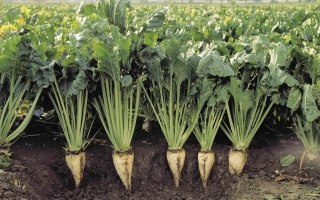
The Logan hybrid is characterized by medium plant height and a wide-conical, elongated root. In various regions, its yield reaches high levels, and sugar content in roots varies within 19.9-20.8%. Over years of field trials, no cases of root rot, cercosporosis, or damage by root-eating pests were observed, indicating high resistance of the hybrid to diseases and pests. These qualities make Logan a reliable and productive choice for the sugar industry.
Sugar beet Logan is a heat-loving and drought-tolerant crop, with an optimal growth and development temperature of 20-22°C, although photosynthesis proceeds successfully even at temperatures above 40°C. The plant requires adequate moisture, especially during the intensive root growth period in July-August. Due to its well-developed root system capable of absorbing water from depths up to 2.5 meters, sugar beet tolerates drought well. Seeds germinate at temperatures from +4 to +17°C, with emergence time depending on temperature. In autumn, the crop can withstand frosts down to -5°C without damaging sugar accumulation, though lower temperatures may negatively affect its development.
The Logan hybrid is characterized by medium plant height and a wide-conical, elongated root. In various regions, its yield reaches high levels, and sugar content in roots varies within 19.9-20.8%. Over years of field trials, no cases of root rot, cercosporosis, or damage by root-eating pests were observed, indicating high resistance of the hybrid to diseases and pests. These qualities make Logan a reliable and productive choice for the sugar industry.
Crop & resistance
Crop
Disease resistance
Specifications hover over for a hint about the specification
| Direction Type | |
|---|---|
| Ploidy Type | |
|
Root; shape
Root; shape
Roots can be round, elongated-round, cylindrical, conical. |
|
| Sugar Content | 19-20% |
| Registration year | 2013 |
| Catalog | Catalog → Sugar Beet |
| Manufacturer | STRUBE |
| Country | Germany |
Store offers
Prices are updated on loadLoading offers…
Aggregator catalog: prices are collected automatically from store websites, normalized by AI and converted at the current exchange rate. Before ordering, confirm the price and availability on the store's website. This block is not indexed by search engines — the data is loaded after the page opens.
Not yet комментариев. Be the first!
Alternatives
Sugar beet seeds · similar varieties





See also
Often considered together with this variety


Recently viewed
Products you’ve viewed on this site
Reviews · 0