


SKU #43616
·
45 views
Compromise
Sugar Beet
IFVCNS (Novi Sad)User rating
0 votes0% positive reviews
No ratings yet — be the first.
Root; shape
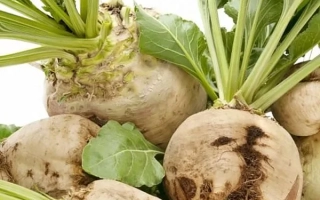
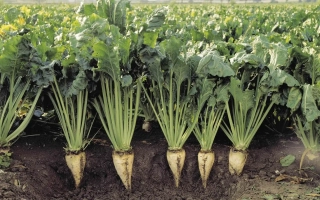
Oval-conical
Registration year
2010
About product

A high-performance sugar beet hybrid with strong early growth and predictable harvest results.
Root; shape
Oval-conical
Registration year
2010
Description
Field Experience with Kompromis
Working with the Kompromis hybrid from the IFVCNS (Novi Sad) institute, you immediately notice its field predictability. This is a case where Serbian breeding provides results that don't require unnecessary complications. The oval-conical shape of the root is not just aesthetic; it provides real convenience during harvest. There are fewer losses at the tip and minimal damage during mechanical harvesting.
Field Indicators and Efficiency
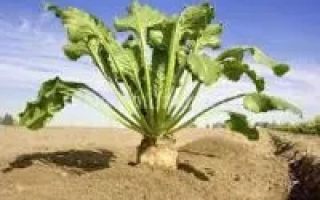
- Planting and Emergence: The early growth energy is high, allowing the beet to close the canopy faster and suppress weeds. It shows good survival rates even in dry spring conditions.
- Root Quality: The oval-conical shape is perfectly balanced for standard sugar beet harvesters. The root sits firmly in the soil but is pulled out cleanly without excessive clumping.
- Resistance: The hybrid shows stability against major foliar diseases, which reduces the number of necessary fungicide treatments.
For an agronomist, Kompromis is primarily valuable for its agronomic efficiency. We have not encountered abnormal root deformation, even on heavier loam soils. With proper planting density, the hybrid produces a uniform, calibrated mass that sugar refineries appreciate for its high sugar yield. The Serbian breeding program justifies expectations here: it is a reliable "workhorse" hybrid for those who prioritize stable tonnage without surprises from diseases or unpredictable weather conditions.
Crop & resistance
Crop
Specifications hover over for a hint about the specification
|
Root; shape
Root; shape
Roots can be round, elongated-round, cylindrical, conical. |
|
|---|---|
| Registration year | 2010 |
| Catalog | Catalog → Sugar Beet |
| Manufacturer | IFVCNS (Novi Sad) |
| Legal data |
Show · 1
|
| Country | Serbia |
Store offers
Prices are updated on loadLoading offers…
Aggregator catalog: prices are collected automatically from store websites, normalized by AI and converted at the current exchange rate. Before ordering, confirm the price and availability on the store's website. This block is not indexed by search engines — the data is loaded after the page opens.
Not yet комментариев. Be the first!
Alternatives
Sugar beet seeds · similar varieties




See also
Often considered together with this variety








Recently viewed
Products you’ve viewed on this site
Reviews · 0