


SKU #64312
·
52 views
Pea TRENDI
Pea
SelgenUser rating
0 votes0% positive reviews
No ratings yet — be the first.
Growth Direction
On grain
Plant Type
Leafless (Bearded)
Growing Season
80-90 days
Plant; height
Average Height
About product

A high-performance semi-leafless pea variety offering exceptional resistance and direct-harvest suitability.
Growth Direction
On grain
Plant Type
Leafless (Bearded)
Growing Season
80-90 days
Plant; height
Average Height
Description
Efficient Harvesting with Trendy: The Selgen Standard
Czech breeding expertise meets field-ready performance with the «Trendy» pea variety from Selgen. Designed for modern agricultural operations, this variety prioritizes both yield reliability and ease of harvest management.
Field Application and Harvestability
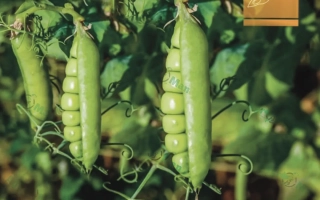
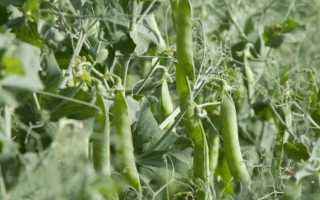
The standout feature of Trendy is its leafless (semi-leafless) plant architecture. By utilizing sturdy tendrils to support the canopy, the crop effectively resists lodging even under challenging environmental conditions. This morphological trait makes the variety highly suitable for direct harvesting, significantly reducing the downtime and logistical burden associated with multi-stage harvesting methods.
Resilience and Crop Quality
Trendy is engineered to maintain high yield potential even when disease pressure is high. It demonstrates excellent resistance to key pathogens such as grey mould, downy mildew, and septoria. By limiting the impact of rusts, leaf spots, and powdery mildew, the variety allows farmers to optimize their fungicide programs.
- Growth Cycle: 80–90 days, facilitating efficient cropping schedules.
- TGW (Thousand Grain Weight): 240–260 g, ensuring a uniform and high-value product.
- Protein Content: 22–24%, making it ideal for high-quality grain markets.
- Usage: Specifically bred for grain production.
Choosing Trendy means selecting a balanced agronomic package that translates into a predictable harvest, lower operational costs, and consistent grain quality.
Crop & resistance
Crop
Specifications
| Growth Direction | |
|---|---|
| Plant Type | |
| Growing Season | 80-90 days |
| Plant; height | Average Height |
| Beans; Weight per 1000 seeds | 240-260 grams |
| Beans; Protein Content | 22-24% |
| Suitability for direct cleaning | |
| Registration year | 2020 |
| Catalog | Catalog → Pea |
| Manufacturer | Selgen |
| Legal data |
Show · 10
|
| Country | Czech Republic |
Store offers
Prices are updated on loadLoading offers…
Available at: Агро Ятка
Aggregator catalog: prices are collected automatically from store websites, normalized by AI and converted at the current exchange rate. Before ordering, confirm the price and availability on the store's website. This block is not indexed by search engines — the data is loaded after the page opens.
Not yet комментариев. Be the first!




See also
Often considered together with this variety





Recently viewed
Products you’ve viewed on this site
Reviews · 0