


Prices in stores
from0.73 €per 1 kg
pack from 11.47 € per pack
4 offers from 3 stores
Production Direction
For grain
Plant Type
Leafless (tendril type)
Growing Season
70-80 days
Plant: height
Average Height
Your mark
0 votes
0% positive ratings
Store offers · 4 from 3 stores
4 offers in 3 stores — from 0.73 € per 1 kg.
Available at: Agropostup · dr-green-store · ePole
Prices are collected automatically from store websites and converted at the current exchange rate. Check the price and availability on the store website before ordering.
Description
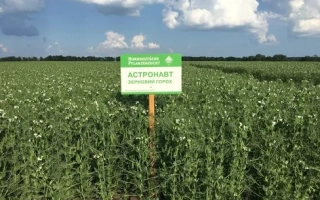
Lump pea is a medium-maturing, leafless variety of field pea (Pisum sativum L.) with a vegetation period of 75-80 days and medium-early maturity. Plants are characterized by compact height and high resistance to lodging, which ensures ease of care and harvest. The 1000-seed mass varies from 178 to 270 grams, and the number of seeds per pod reaches 7-9, indicating high grain size and quality. The recommended planting density at harvest is 0.95-1.0 million plants per hectare, with seeding rates of 100-110 thousand per hectare. The Lump variety is distinguished by high yield and adaptability, allowing successful cultivation in various soil-climate zones, including Bryansk, Kursk, and Oryol regions. Average yield in the Central region is about 25.2 centners per hectare, and in the Central Chernozem region — up to 31.8 centners per hectare. The pea is resistant to shattering and cracking, and shows excellent resistance to drought and late frosts, making it a reliable choice for farmers. Despite high resistance to lodging and shattering, the variety is susceptible to ascochitosis of pods and seeds, and highly susceptible to root rots. However, it exhibits resistance to powdery mildew and viral diseases, which contributes to plant health and stable yields. Protein content in the grain reaches 26%, making Lump pea a valuable product for food industry and feed purposes.
Video · 1 video
Suggest a video →Crop & resistance
Crop
Disease resistance
Specifications
| Production Direction | |
|---|---|
| Plant Type | |
| Growing Season | 70-80 days |
| Plant: height | Average Height |
| Beans | |
| Weight per 1000 seeds | 240-260 grams |
| Protein Content | 24-26% |
| Suitability for direct harvesting | |
| Registration year | 2019 |
| Catalog | Catalog → Pea |
| Manufacturer | Selgen |
| Country | Czech Republic |
No reviews yet. Be the first to share your experience.



See also
Often considered together with this variety






Recently viewed
Products you’ve viewed on this site
Reviews