


SKU #34554
·
61 views
Pea Kamelot
Pea
Приватне мале підприємство "Тирас"User rating
0 votes0% positive reviews
No ratings yet — be the first.
Growth Direction
On grain
Plant Type
Half-leafless
Growing Season
90-100 days
Plant; height
Average Height
Prices in stores
from20.12 €per 1 kg
pack from 0.34 € per 5 ml
4 offers from 4 stores
Store offers · 4 from 4 stores
Prices are updated on loadLoading offers…
Available at: Agrise · Агроексперт-Трейд · Агрохім · Веснодар
Aggregator catalog: prices are collected automatically from store websites, normalized by AI and converted at the current exchange rate. Before ordering, confirm the price and availability on the store's website. This block is not indexed by search engines — the data is loaded after the page opens.
About product

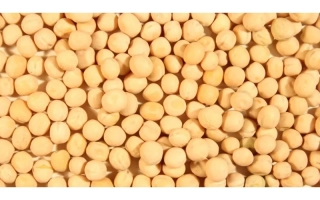
Camelot pea is a high-yielding, mid-season variety developed by hybridization and individual selection. The plant is low-growing, without anthocyanin pigmentation, has a medium-length stem and moderate number of nodes. Leaves are moderately green, without secondary leaflets, with well-developed medium-sized stipules covered with waxy coating and speckling. Flowering is late, with up to two flowers…
Growth Direction
On grain
Plant Type
Half-leafless
Growing Season
90-100 days
Plant; height
Average Height
Description
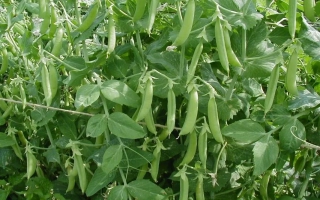
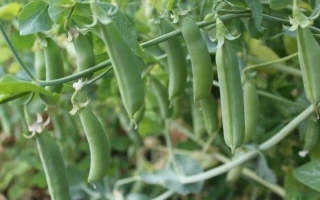
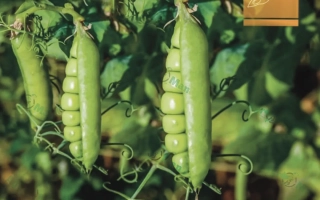
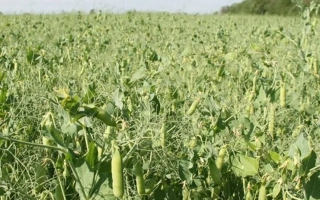
Camelot pea is a high-yielding, mid-season variety developed by hybridization and individual selection. The plant is low-growing, without anthocyanin pigmentation, has a medium-length stem and moderate number of nodes. Leaves are moderately green, without secondary leaflets, with well-developed medium-sized stipules covered with waxy coating and speckling. Flowering is late, with up to two flowers per node. Pods are long, narrow, slightly curved, green, containing 5 to 7 seeds weighing 230–260 grams per 1000 seeds. The variety is resistant to shattering and lodging, suitable for direct combine harvesting. Camelot is recommended for cultivation in the Polissia, Forest-Steppe, and Steppe zones using conventional agronomic practices. The seeding rate is 1.2–1.4 million germinating seeds per hectare. The variety exhibits good taste qualities and high cooking quality, with protein content in the grain ranging from 22.7–24.2%. Camelot shows resistance to pea leaf beetle, as well as low susceptibility to ascochitosis and root rot. Harvesting is recommended at grain moisture level of 17–18%. Average yield over test years was 40.1–41.7 c/ha, maximum — 63.0 c/ha.
Crop & resistance
Crop
Disease resistance
Pest resistance
Specifications
| Growth Direction | |
|---|---|
| Plant Type | |
| Growing Season | 90-100 days |
| Plant; height | Average Height |
| Beans; Weight per 1000 seeds | 240-260 grams |
| Beans; Protein Content | 22-24% |
| Suitability for direct cleaning | |
| Registration year | 2006 |
| Catalog | Catalog → Pea |
| Manufacturer | Приватне мале підприємство "Тирас" |
| Legal data |
Show · 2
|
| Country | Ukraine |
Not yet комментариев. Be the first!







See also
Often considered together with this variety



Recently viewed
Products you’ve viewed on this site
Reviews · 0