


SKU #34595
·
56 views
NS Mraz / NS Moroz
Pea
IFVCNS (Novi Sad)User rating
0 votes0% positive reviews
No ratings yet — be the first.
Growth Direction
On grain
Plant Type
Leafless (Bearded)
Plant; height
Average Height
Beans; Protein Content
22-24%
Prices in stores
from0.27 €per 1 kg
pack from 12.62 € per 25 kg
12 offers from 9 stores
Store offers · 12 from 9 stores
Prices are updated on loadLoading offers…
Available at: AgrariyFort · Agro-sector · Agro-Time · Агродопомога · Agrofon · ePole · Kurkul · Yablukom · Yason Agro
Aggregator catalog: prices are collected automatically from store websites, normalized by AI and converted at the current exchange rate. Before ordering, confirm the price and availability on the store's website. This block is not indexed by search engines — the data is loaded after the page opens.
About product
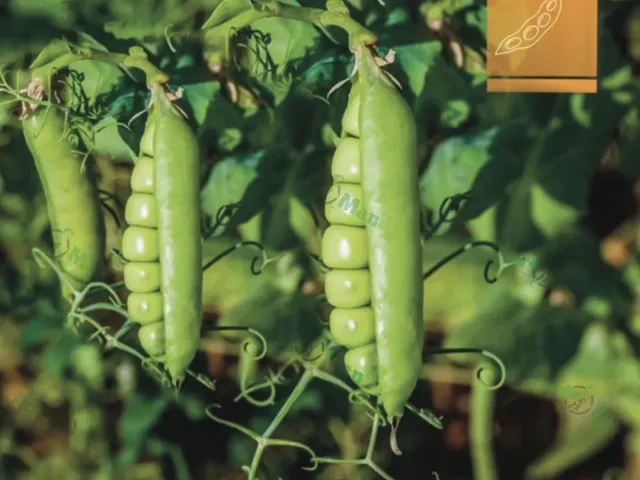
Winter pea variety NS Moroz — a protein-rich variety developed by breeders of the Institute of Field and Vegetable Crops NS Seme from Novi Sad, Serbia, using pedigree selection. It is intended for grain production and exhibits high frost resistance comparable to winter wheat, allowing successful cultivation in Ukraine and Serbia. The vegetation period is approximately 250 days; the variety belongs…
Growth Direction
On grain
Plant Type
Leafless (Bearded)
Plant; height
Average Height
Beans; Protein Content
22-24%
Description
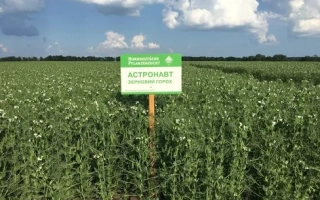
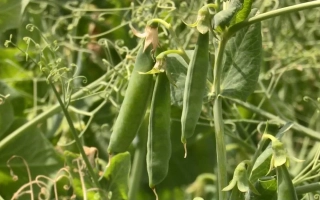
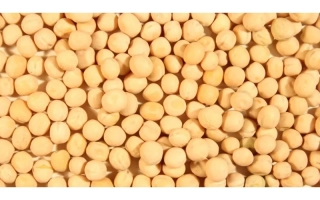
Winter pea variety NS Moroz — a protein-rich variety developed by breeders of the Institute of Field and Vegetable Crops NS Seme from Novi Sad, Serbia, using pedigree selection. It is intended for grain production and exhibits high frost resistance comparable to winter wheat, allowing successful cultivation in Ukraine and Serbia. The vegetation period is approximately 250 days; the variety belongs to the ultraharvesting group with uniform maturity. Sowing is recommended from mid-September to October, with an optimal plant density of 100-110 plants per square meter and optimal soil pH of 6.8-7.4. Plants of the NS Moroz variety have a medium height of 60-80 cm, upright growth habit, and are characterized by numerous nodes at the lower part of the stem, significantly enhancing resistance to lodging. Leaves of the variety are of the filiform (hairy) type, enabling plants to cling to each other and form a natural trellis, protecting the crop from damage and facilitating harvesting. Flowers are white, and pods — ranging from 10 to 14 per plant — are located at the upper part of the stem, reducing grain loss during mechanical harvesting. Pea seeds are round and vary in color from light cream to light green. Raw protein content in the seeds reaches 23-25%, making this variety a valuable feed component. Due to low levels of antinutrients, the seeds require no thermal treatment before use in feeding all types of livestock, serving as an excellent supplement to soybean meal. Yield varies from 2.5 to 6.2 tons per hectare depending on cultivation technology. Harvesting is conducted approximately ten days prior to winter barley harvesting, typically in mid-June, allowing optimal planning of agronomic operations.
Crop & resistance
Crop
Disease resistance
Specifications
| Growth Direction | |
|---|---|
| Plant Type | |
| Plant; height | Average Height |
| Beans; Protein Content | 22-24% |
| Suitability for direct cleaning | |
| Registration year | 2016 |
| Catalog | Catalog → Pea |
| Manufacturer | IFVCNS (Novi Sad) |
| Legal data |
Show · 4
|
| Country | Serbia |
Not yet комментариев. Be the first!







See also
Often considered together with this variety




Recently viewed
Products you’ve viewed on this site
Reviews · 0