


SKU #46737
·
72 views
Lana
Millet
User rating
0 votes0% positive reviews
No ratings yet — be the first.
Type of Sort
Sort
Registration year
2006
About product

A reliable domestic millet variety with high resistance to melanosis.
Type of Sort
Sort
Registration year
2006
Description
The Evolution of Ukrainian Millet Breeding
The 'Lana' millet variety represents a significant achievement in breeding by the Institute of Sugar Beet of the UAAS. Within the Ukrainian agricultural sector, this variety has carved out a niche as a high-tech and predictable cereal crop, tailored for stable performance under intensive farming conditions. The originator’s work focused on developing a culture capable of effectively resisting biological threats prevalent in the Ukrainian climate zone.
Phytosanitary Profile and Adaptability
A key advantage of this variety is its inherent resistance to melanosis, which significantly lowers cultivation risks while preserving the commercial quality of the grain. 'Lana' has established itself as a reliable resource for farmers looking to minimize the fungicide load on their fields. Its varietal purity and robust genetic base ensure a uniform yield, highly valued in both the feed sector and the food processing industry.
Market Positioning
As a classic representative of domestic breeding, this variety demonstrates an optimal balance between production costs and final crop output. Its implementation is justified in operations where crop rotation with time-tested genetic solutions is a priority. The consistency of 'Lana' makes it a valuable tool for farmers striving for predictable results amidst the shifting weather conditions of the steppe and forest-steppe zones.
Crop & resistance
Disease resistance
Specifications
| Type of Sort | |
|---|---|
| Registration year | 2006 |
| Catalog | Catalog → Millet |
| Legal data |
Show · 1
|
| Country | Ukraine |
Store offers
Prices are updated on loadLoading offers…
Aggregator catalog: prices are collected automatically from store websites, normalized by AI and converted at the current exchange rate. Before ordering, confirm the price and availability on the store's website. This block is not indexed by search engines — the data is loaded after the page opens.
Not yet комментариев. Be the first!

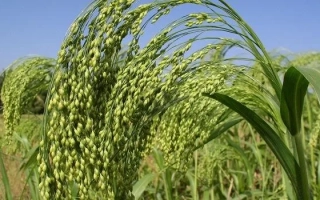


SARATOVSKOYE ZHELTAYE
Federal Agrarian Scientific Center of the South-East
034 1 offer
48.52 € ≈ 2 499 ₴




See also
Often considered together with this variety




Recently viewed
Products you’ve viewed on this site
Reviews · 0