

SKU #74455
·
45 views
Ryabchyk
Lupin
User rating
0 votes0% positive reviews
No ratings yet — be the first.
Usage
Decor
Plant Height
60-90
Registration year
2019
Store offers · 2 from 1 stores
Prices are updated on loadLoading offers…
Available at: Green Edem · Rozamimoza · Sotka
Aggregator catalog: prices are collected automatically from store websites, normalized by AI and converted at the current exchange rate. Before ordering, confirm the price and availability on the store's website. This block is not indexed by search engines — the data is loaded after the page opens.
About product

A resilient, Ukrainian-bred ornamental lupin designed for low-maintenance landscaping and soil enrichment.
Usage
Decor
Plant Height
60-90
Registration year
2019
Description
Ukrainian Breeding Excellence for Landscaping
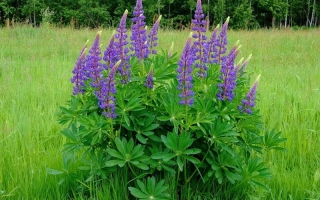
The 'Ryabchyk' lupin is a product of specialized breeding efforts at the National Scientific Center 'Institute of Agriculture of NAAS'. Unlike forage varieties bred for biomass or protein content, 'Ryabchyk' was developed specifically for decorative gardening and landscape design, focusing on aesthetic value and ease of maintenance.
Technical Specifications and Market Positioning
As a compact decorative lupin, 'Ryabchyk' offers specific benefits for garden planning:
- Plant Height: 60–90 cm, providing the perfect vertical element for mid-to-back layer flowerbeds without requiring staking.
- Primary Use: Ornamental landscaping. The plant features distinctive floral spikes that add structure and visual interest to any garden setting.
- Adaptability: Developed using domestic genetic resources, this variety is fully acclimated to the climatic conditions of Ukraine, ensuring high winter hardiness and resilience.
In the market, 'Ryabchyk' is recognized as a reliable, locally bred option for gardeners who value consistency. Beyond its visual appeal, it serves an ecological function: like other Lupinus species, it enriches the soil with nitrogen, benefiting neighboring plants and improving soil structure over time.
Why Choose 'Ryabchyk'?
Choosing 'Ryabchyk' means investing in time-tested Ukrainian agricultural science. It is a low-maintenance, high-impact choice for those who want a beautiful, long-lasting garden element that thrives with minimal intervention. Its structural integrity and resilience make it a staple for both professional landscape designers and home garden enthusiasts.
Crop & resistance
Crop
Specifications
| Usage | |
|---|---|
| Plant Height | 60-90 |
| Registration year | 2019 |
| Catalog | Catalog → Lupin |
| Legal data |
Show · 1
|
| Country | Ukraine |
Not yet комментариев. Be the first!






See also
Often considered together with this variety

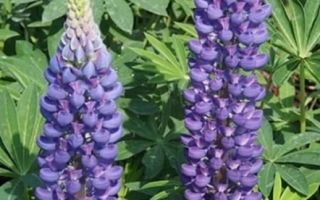
Lupinus polyphyllus
Volyn State Agricultural Experimental Station
056 3 offers
1.14 €per 1 kg ≈ 59 ₴




Recently viewed
Products you’ve viewed on this site
Reviews · 0