


SKU #45854
·
62 views
Alfalfa Pava
Lucerne
Prices in stores
from4.09 €per 1 kg
pack from 8.19 € per pack
8 offers from 2 stores
Plant Height
70-90
Registration year
2025
Your mark
0 votes
0% positive ratings
Store offers · 8 from 2 stores
8 offers in 2 stores — from 4.09 € per 1 kg.
Available at: Sembaza · Интернет магазин садовых растений Все Сорта
Prices are collected automatically from store websites and converted at the current exchange rate. Check the price and availability on the store website before ordering.
About product
A high-yielding alfalfa variety featuring robust built-in resistance to vascular diseases and root rots.
Description
Technical Analysis of Pava Alfalfa’s Phytosanitary Profile
The Pava alfalfa variety, developed by Iksgp Naan, serves as a targeted solution for agricultural producers operating in areas with high infection pressure. The core value of this variety lies in its integrated resistance mechanisms designed to protect the plant's vascular and root systems.
Resilience and Biological Barriers
The engineering of the Pava variety focuses on specific genetic barriers that prevent the progression of soil-borne pathogens:
- Verticillium Wilt Resistance: The plant’s vascular structure is optimized to prevent colonization by Verticillium albo-atrum, ensuring nutrient transport remains unhindered.
- Sclerotinia and Fusarium Tolerance: Selective breeding has significantly increased the plant's threshold against these pathogens, maintaining the integrity of the root crown during periods of high humidity or prolonged dampness.
- Potato Wart Resistance: The variety exhibits a specific immune response that makes it highly effective in crop rotations where potato wart disease is a limiting factor.
Canopy Architecture and Productivity
The 70–90 cm height range is engineered to balance biomass accumulation with nutritional quality. This canopy architecture promotes excellent leaf density in the lower strata, which is critical for maintaining high protein content through multiple cuttings. The stems possess the necessary structural stiffness to prevent lodging during rapid growth, facilitating efficient mechanical harvesting and reducing field losses. By integrating the Pava variety into the crop cycle, producers can substantially decrease their reliance on prophylactic fungicide applications, leveraging the plant's inherent physiological defense systems instead.
Crop & resistance
Crop
Disease resistance
Specifications
| Plant Height | 70-90 |
|---|---|
| Registration year | 2025 |
| Catalog | Catalog → Lucerne |
| Legal data |
Show · 1
|
| Country | Ukraine |
No reviews yet. Be the first to share your experience.
Alternatives
Alfalfa seeds · similar varieties

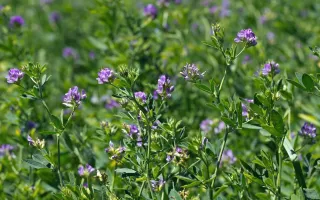


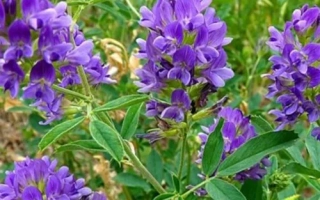


See also
Often considered together with this variety

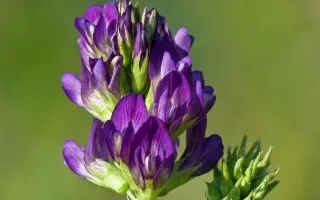
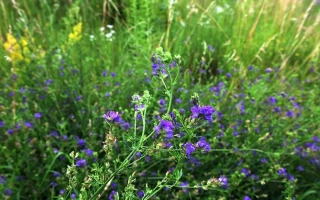


TAEZHNIK
ФГБУН Федеральный исследовательский центр комплексного изучения Арктики имени академика Н.П. Лаверова УрО РАН
038

Recently viewed
Products you’ve viewed on this site
Reviews