


Usage Group
Table
Ripening Period
Very Early
Frost Resistance
High (up to -24°C)
Resistance to Mildew
High
Your mark
0 votes
0% positive ratings
Store offers · 3 from 3 stores
3 offers in 3 stores — from 2.37 € per seedling.
Available at: LeafLand · Rosliniy · Vinograd Odessa
Prices are collected automatically from store websites and converted at the current exchange rate. Check the price and availability on the store website before ordering.
Description
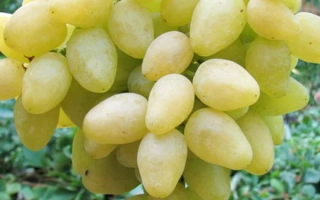
The Tenderness grape variety is a table variety with very early ripening, bred through complex crossbreeding of Moldova and Queen of the Vineyard varieties. Bushes of this variety are vigorous with well-ripening canes. Bunches are of medium size, more often conical or cylinder-conical in shape, weighing from 370 to 800 grams. Berries are large, oval, white in color with almost translucent skin, which is thin and elastic. The pulp differs in its tender, melting structure, while the taste is harmonious, very pleasant and tender, with a slight muscat nuance. The skin is practically not felt during consumption, which increases comfort during eating.
The yield of the Tenderness variety is from 7 to 9 kg per bush, while sugar content reaches 18-20 g/100 cm³, and acidity is about 6.6 g/dm³. The transportability of the grapes is average, which allows maintaining the commercial appearance during transport over moderate distances. The variety differs in high resistance to main grape diseases, such as mildew, oidium, and gray rot, as well as to pests. In addition, Tenderness has increased frost resistance, enduring temperatures up to -23 degrees.
This grape is excellent for fresh consumption due to its high-quality taste characteristics and attractive appearance. The tasting score of the variety reaches 8.5 points, which confirms its excellent taste qualities. Due to the early ripening period and resistance to unfavorable conditions, the Tenderness variety is a promising choice for growing in various climate zones.
The yield of the Tenderness variety is from 7 to 9 kg per bush, while sugar content reaches 18-20 g/100 cm³, and acidity is about 6.6 g/dm³. The transportability of the grapes is average, which allows maintaining the commercial appearance during transport over moderate distances. The variety differs in high resistance to main grape diseases, such as mildew, oidium, and gray rot, as well as to pests. In addition, Tenderness has increased frost resistance, enduring temperatures up to -23 degrees.
This grape is excellent for fresh consumption due to its high-quality taste characteristics and attractive appearance. The tasting score of the variety reaches 8.5 points, which confirms its excellent taste qualities. Due to the early ripening period and resistance to unfavorable conditions, the Tenderness variety is a promising choice for growing in various climate zones.
Video · 1 video
Suggest a video →Crop & resistance
Crop
Disease resistance
Specifications
| Usage Group | |
|---|---|
| Ripening Period | Very Early |
| Frost Resistance | |
| Resistance to Mildew | |
| Resistance to oidium | |
| Resistance to Gray Mold | |
| Yield | Average |
| Bush Growth Power | |
| Bunch Size | Medium (300–500 g) |
| Berry Size | Large (5–8 g) |
| Berry Color | |
| Flavor | |
| Sugar Content | High (>20%) |
| Purpose | |
| Features | |
| Registration year | 2015 |
| Catalog | Catalog → Grape |
| Manufacturer | SCFSCVV |
| Legal data |
Show · 4 |
| Country | Russia |
No reviews yet. Be the first to share your experience.
Alternatives
Grapevine saplings · similar varieties


TEACHER'S MEMORY
Omsk State Agrarian University named after P.A. Stolypin
063 15 offers
2.61 €per seedling ≈ 133 ₴



See also
Often considered together with this variety


Recently viewed
Products you’ve viewed on this site
Reviews