


SKU #71016
·
44 views
Mystery
Fescue
User rating
0 votes0% positive reviews
No ratings yet — be the first.
Type
Sugarcane Oat
Assignment
Feed
Tread Wear Resistance
High
Leaf Decorativeness
Green
About product

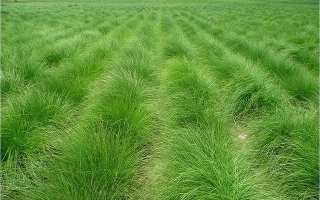
A high-performance tall fescue with a deep root architecture and extreme resistance to mechanical stress.
Type
Sugarcane Oat
Assignment
Feed
Tread Wear Resistance
High
Leaf Decorativeness
Green
Description
Technical Profile of Tall Fescue 'Tayamnitsa'
The 'Tayamnitsa' cultivar is a specialized breeding achievement designed to establish high-productivity swards with superior durability. Utilizing the biology of tall fescue (Festuca arundinacea), the variety features an extensive root system that penetrates the soil profile to depths of 1–1.5 meters, ensuring vegetation persistence even during periods of moisture deficit.
Structural Durability and Mechanical Resistance
The core advantage of 'Tayamnitsa' lies in the density of its tillering and the regenerative capacity of its tissues. The anatomy of the leaf blade provides mechanical rigidity, preventing rapid cell collapse under intense traffic. For agricultural operations and landscaping, this translates into significantly reduced maintenance costs for overseeding and ground recovery. The sward structure remains stable despite cyclic stress from grazing livestock or heavy surface traffic.
Breeding Strategy and Field Performance
Developed by the NPC of the NAS of Belarus and tested under rigorous conditions in the Leningrad region by Vasko P.P. and Stolepchenko V.A., the variety exhibits high adaptability to challenging climates. The breeding process focused on stabilizing the phenotype with a persistent, intense green leaf color. In practice, this provides a balance between high forage nutritional value and aesthetic resilience. During fodder production cycles, the cultivar demonstrates stable green mass yields while maintaining stem succulence throughout extended growth phases. The high density of the stand also inherently suppresses weed competition, providing a long-term economic advantage for pasture and forage management.
Specifications
| Type | |
|---|---|
| Assignment | |
| Tread Wear Resistance | |
| Leaf Decorativeness | |
| Registration year | 2020 |
| Catalog | Catalog → Fescue |
| Legal data |
Show · 9
|
| Country | Russia |
Store offers
Prices are updated on loadLoading offers…
Aggregator catalog: prices are collected automatically from store websites, normalized by AI and converted at the current exchange rate. Before ordering, confirm the price and availability on the store's website. This block is not indexed by search engines — the data is loaded after the page opens.
Not yet комментариев. Be the first!
Alternatives
Fescue seeds · similar varieties





See also
Often considered together with this variety






Recently viewed
Products you’ve viewed on this site
Reviews · 0