
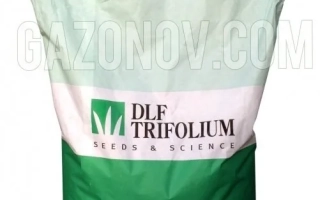
SKU #71054
·
35 views
LOOSINKA
Fescue
ФГБНУ Федеральный Аграрный Научный Центр Северо-востока имени Н.В. РудницкогоUser rating
0 votes0% positive reviews
No ratings yet — be the first.
Assignment
Lawn, Feed
Registration year
1994
About product
A reliable fescue variety with high resistance to rust and root rot, ideal for quality forage and durable lawns.
Assignment
Lawn, Feed
Registration year
1994
Description
Stability and Adaptability: 'Losinka' Meadow Fescue
In the breeding of perennial grasses for northern and temperate latitudes, varieties developed by experts at the N.V. Rudnitsky Federal Agricultural Research Center of the North-East occupy a special place. Among them, the 'Losinka' meadow fescue stands out for its high resistance to adverse phytosanitary conditions and its versatile application.
The variety was developed by the collective of the Federal Agricultural Research Center of the North-East and the 'Russkoe Pole' agricultural enterprise (Leningrad region). The result of their joint effort is a culture capable of demonstrating high productivity even in regions with risky agriculture, where other grass species might suffer from high pathogen pressure.
Key Advantages and Resistance
Agronomists value 'Losinka' primarily for its biological defense system. The variety demonstrates superior resistance to two critical threats for grass stands:
- Stem Rust: even during years with high infection pressure, the crops maintain healthy vegetative mass.
- Root Rot: the variety's powerful root system is resistant to pathogens, which ensures the longevity of the stand and consistent yields over several years of use.
Areas of Application
The versatility of 'Losinka' allows for effective use both in the agricultural sector and in landscape design:
- Forage Production: the variety is perfectly suited for hayfields and pastures. High nutritional value and good regrowth capabilities make it an essential component in creating quality forage for livestock.
- Turf/Lawn Use: thanks to its dense growth habit and ability to withstand frequent mowing, 'Losinka' is widely used for creating durable lawn surfaces. It recovers quickly, forming a thick sod that is resistant to trampling.
Choosing this variety is an investment in the reliability of your grass stand. The breeding strategy of the N.V. Rudnitsky Center has successfully combined climate stress tolerance with excellent performance indicators, as confirmed by years of practical application in agricultural enterprises.
Crop & resistance
Specifications
| Assignment | |
|---|---|
| Registration year | 1994 |
| Catalog | Catalog → Fescue |
| Manufacturer | ФГБНУ Федеральный Аграрный Научный Центр Северо-востока имени Н.В. Рудницкого |
| Legal data |
Show · 1
|
| Country | Russia |
Store offers
Prices are updated on loadLoading offers…
Aggregator catalog: prices are collected automatically from store websites, normalized by AI and converted at the current exchange rate. Before ordering, confirm the price and availability on the store's website. This block is not indexed by search engines — the data is loaded after the page opens.
Not yet комментариев. Be the first!
Alternatives
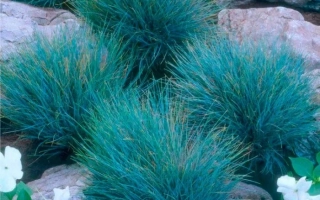
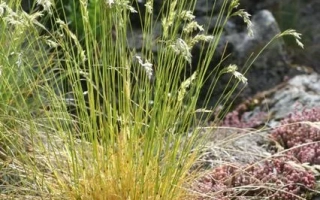
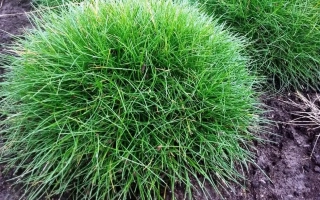
Fescue seeds · similar varieties





See also
Often considered together with this variety






Recently viewed
Products you’ve viewed on this site
Reviews · 0