

SKU #71131
·
51 views
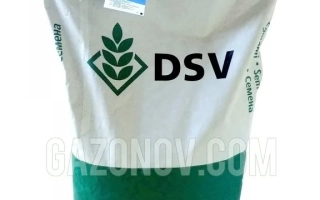
Bluegrass Istok
Bluegrass
JSC SCIENTIFIC-PRODUCTION SYSTEM 'ELIT'User rating
0 votes0% positive reviews
No ratings yet — be the first.
Vegetation Period
150-180
Leaf Color
Light green
Registration year
2001
Prices in stores
from8.37 €per 1 kg
pack from 8.37 € per 1 kg
3 offers from 1 store
Store offers · 3 from 1 stores
Prices are updated on loadLoading offers…
Available at: Agrolife
Aggregator catalog: prices are collected automatically from store websites, normalized by AI and converted at the current exchange rate. Before ordering, confirm the price and availability on the store's website. This block is not indexed by search engines — the data is loaded after the page opens.
About product
Betting on Resilience: Why 'Istok' Kentucky Bluegrass Stands OutIn the segment of perennial grasses, breeding plays a decisive role in the longevity of the turf. Kentucky Bluegrass 'Istok', developed by NPS Elit, is focused on creating dense and resilient sods capable of withstanding external pressures. Unlike many introduced varieties, this material is adapted to the specific climatic amplitudes…
Vegetation Period
150-180
Leaf Color
Light green
Registration year
2001
Description
Betting on Resilience: Why 'Istok' Kentucky Bluegrass Stands Out
In the segment of perennial grasses, breeding plays a decisive role in the longevity of the turf. Kentucky Bluegrass 'Istok', developed by NPS Elit, is focused on creating dense and resilient sods capable of withstanding external pressures. Unlike many introduced varieties, this material is adapted to the specific climatic amplitudes of the region, minimizing the risks of freezing during the off-season.
Agronomic Profile
The key feature of this variety is its balanced development rate. A vegetation period ranging from 150 to 180 days allows the plant to efficiently distribute nutrients between its vegetative mass and root system. The light green color of the leaves gives the turf a characteristic fresh look, which is maintained even during periods of moderate moisture deficit.
- Adaptability: The variety demonstrates predictable performance across various soil and climatic conditions.
- Turf Structure: Forms a dense, elastic sod capable of withstanding significant mechanical loads.
- Biological Resource: High regrowth capacity after mowing makes it an optimal choice for creating durable lawns and forage lands.
Strengths and Weaknesses
The main advantage of 'Istok' is its ability to spread vegetatively, which ensures the quick filling of bare patches. A minor drawback is the necessity for strict adherence to fertilization schedules during the first two years: the variety is demanding regarding nitrogen nutrition to maintain its intense light-green color. 'Istok' is a choice for professionals who require predictable results when developing high-traffic areas or maintaining sustainable meadows.
Crop & resistance
Crop
Specifications
| Vegetation Period | 150-180 |
|---|---|
| Leaf Color | |
| Registration year | 2001 |
| Catalog | Catalog → Bluegrass |
| Manufacturer | JSC SCIENTIFIC-PRODUCTION SYSTEM 'ELIT' |
| Legal data |
Show · 1
|
| Country | Russia |
Not yet комментариев. Be the first!




See also
Often considered together with this variety



Recently viewed
Products you’ve viewed on this site
Reviews · 0