
Peanut
Arachis hypogaea L.
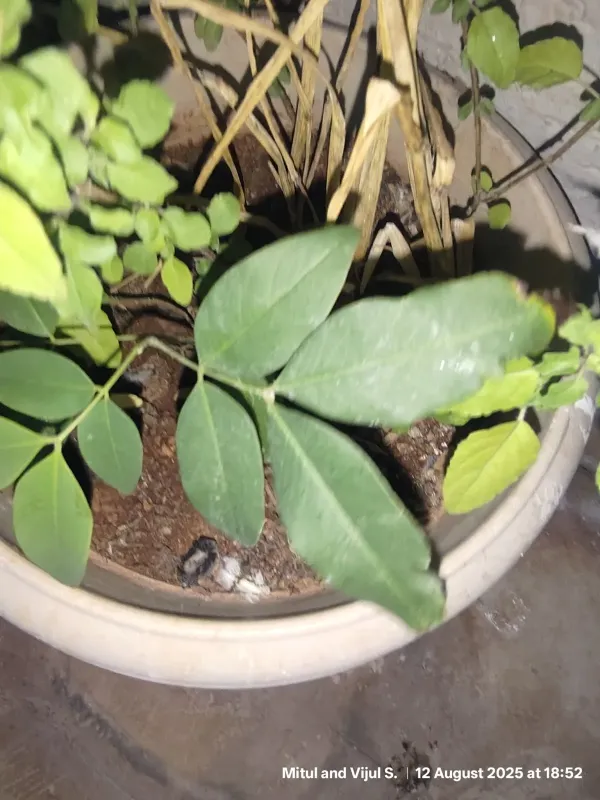
Description
Sowing dates
Peanuts are a warm-season crop, so sowing should only begin once soil temperatures at a depth of 10 cm have reached +15...+18°C. In temperate climates, this typically occurs in late May.
Seeds are planted in rows with a spacing of 60–70 cm to ensure adequate space for pod formation. The planting depth is 6–8 cm, depending on soil type and moisture levels.
Stable warmth is essential for high-quality germination; delayed planting in cold soil can lead to seed rot. It is critical to use high-quality, treated seed material for planting.
Optimal plant density should range from 100,000 to 150,000 plants per hectare. Proper spacing is crucial to prevent competition for light and nutrients among the plants.
Pre-planting soil treatment with herbicides is recommended to manage the initial flush of weeds, giving the crop a competitive advantage during the early stages of growth.
Growing requirements
Peanut belongs to the Fabaceae family and is an annual herbaceous plant. Its unique characteristic is hypogeal flowering: after pollination, the ovary pushes into the soil, where pods develop.
This crop is highly demanding of light and warmth throughout the entire growing season. The optimal temperature for active growth and fruit formation is +25...+30°C.
The best soils for peanuts are light, well-aerated sandy loams or light loamy soils with a neutral to slightly alkaline reaction (pH 6.5–7.5).
The plant is drought-tolerant, but requires regular moisture during the flowering phase and the period of active pod development within the soil.
A key agronomic practice is hilling (earthing up), which is performed after flowering begins to facilitate the penetration of the gynophores (flower stalks) into the loose soil.
Yield
Peanut yield is directly dependent on the level of agronomy, cultivar choice, and weather conditions during the growing season. On average, it ranges from 2,000 to 4,000 kg per hectare.
The use of modern hybrids and intensive fertilization programs can achieve yields exceeding 5,000 kg per hectare in irrigated production systems.
The absence of environmental stress during active flowering is critical, as drought at this stage significantly reduces the pod setting rate.
Balanced mineral nutrition, particularly the application of phosphorus and potassium fertilizers, contributes to better pod filling and higher oil content in the seeds.
Careful mechanical weeding is necessary, as excessive soil compaction hinders the penetration of the gynophores, leading to substantial yield losses.
Main diseases and pests
Peanut crops are frequently affected by a complex of fungal diseases. Major pathogens include:
- Alternaria leaf spot
- Anthracnose
- Verticillium wilt
- Helminthosporium blight
- Rhizoctonia
- Sclerotinia
- Aspergillus niger (crown rot)
In addition to fungal infections, the crop is susceptible to viral diseases, such as Tomato Spotted Wilt Virus or mosaic viruses, which can significantly reduce photosynthetic activity.
To control diseases, a strict crop rotation is recommended, ensuring the crop does not return to the same field for at least 3–4 years. Fungicide applications should be made at the first signs of infection.
Pests such as cutworms, aphids, and wireworms can damage both the foliage and the subterranean pods. Insecticide protection is necessary during periods of mass outbreaks.
Integrated pest management should include the use of disease-free seed and preventative systemic treatment early in the growing season.
Harvesting
Harvesting peanuts is a complex process requiring precise timing. Indicators of readiness include yellowing foliage and the characteristic darkening of the inner shell of the pods.
Harvesting is performed in two stages: first, the plants are lifted by specialized lifters or harvesters and inverted for initial drying in windrows.
It is important to avoid over-drying the pods in windrows under direct sunlight, as this can negatively impact oil quality and seed viability.
Once dried to a moisture content of 10–12%, the pods are threshed. Mechanical damage to the pod shells during threshing must be minimized to prevent kernel damage.
The cleaned crop is then sent for final drying and stored in specialized warehouses with good ventilation to prevent the development of mold and mycotoxins.