
Description
Symptoms
Symptoms of ring nematode infestation are often non-specific and mimic nutrient deficiencies. Plants typically exhibit stunted growth, chlorosis, and general loss of vigor.
Microscopic inspection of the roots reveals lesions and decay. As the nematode feeds, it injures the root surface, leading to a breakdown of the tissue that normally facilitates water and nutrient uptake.
Affected root systems are usually sparse and stubby, lacking healthy, delicate root hairs. This degradation makes the entire plant significantly more susceptible to environmental stress, particularly drought.
In orchards, Criconemella xenoplax is strongly associated with the "replant disease" complex. Trees show a slow decline, with symptoms worsening year after year until the tree eventually dies.
Since the damage occurs underground, the only reliable way to confirm the presence of this pathogen is through professional laboratory soil and root analysis.
Pathogen
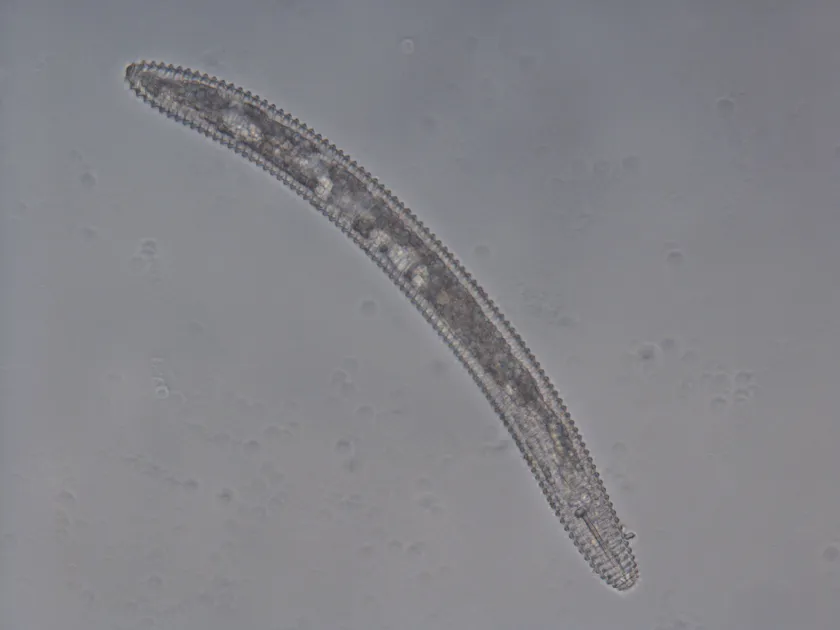
The ring nematode, Criconemella xenoplax, is a parasitic roundworm belonging to the family Criconematidae. It is characterized by prominent, thick cuticular rings that cover its entire body.
These nematodes act as ectoparasites, meaning they remain outside the plant roots while feeding. They use a long, needle-like stylet to penetrate the epidermal and cortical cells of the roots to extract nutrients.
This pest has a very broad host range, causing significant damage to agricultural and ornamental plants. Susceptible species include peanuts, oats, watermelons, carnations, cherries (including Prunus mahaleb), apricots, and roses.
The life cycle is completed within the soil. Adult females deposit eggs individually near the host roots. Juveniles hatch and immediately move toward the roots to begin feeding, often clustered in large numbers.
Dispersal primarily occurs through human activity. Infested soil moved by farm equipment, nursery stock, and footwear allows the nematode to spread across fields and regions efficiently.
Conditions for development
Ring nematodes thrive in light-textured, well-drained soils. Sandy and sandy-loam soils are ideal for their mobility, as they allow the nematodes to easily navigate the pore spaces.
Temperature is a critical factor for population growth. These pests are most active in moderate soil temperatures, generally between +15 °C and +25 °C, allowing for rapid reproduction cycles.
Soil moisture levels must be maintained for survival, although they can endure some dry periods by slowing down their metabolic processes within the protective layer of soil particles.
Continuous cropping of the same host plants encourages the buildup of high populations of ring nematodes, as the food source remains constantly available in the root zone.
Weed populations in fields and orchards act as reservoirs, sustaining the nematode population even when the primary host crop is absent or dormant, complicating management efforts.
Why it matters
The primary economic impact is a direct reduction in crop yield. By constantly feeding on root tissue, the nematodes deprive the plant of the resources necessary for fruit development and vegetative growth.
On ornamental plants like roses and carnations, the damage results in poor quality blooms, deformed stems, and a reduction in the plant's market value due to its stunted appearance.
Increased vulnerability to secondary infections is a major concern. The wounds created by Criconemella xenoplax serve as entry points for soil-borne pathogens, leading to severe root rot.
In perennial orchards, the damage is cumulative. The loss of yield and the necessity to replace prematurely dying trees represent a significant financial burden for growers.
Heavy infestations reduce the overall responsiveness of crops to fertilization. Even with optimal irrigation and nutrition, the damaged root system is unable to absorb the necessary elements for productivity.
Protection
Prevention starts with sanitation. Using nematode-free certified planting material is the most important step to prevent the introduction of this pest into new areas.
Crop rotation remains a fundamental strategy. Planting non-host crops or bio-fumigant cover crops, such as specific mustard varieties, can help naturally suppress nematode populations before replanting.
Biological control using nematophagous fungi, such as Pochonia chlamydosporia, can provide long-term suppression by parasitizing the eggs and sedentary life stages of the ring nematode.
Chemical intervention with nematicides is generally reserved for severe cases in professional production. Applications must be precise and strictly follow regulatory guidelines to minimize environmental impact.
Good agricultural practices, including cleaning machinery between fields and maintaining overall soil health, are essential to limit the spread and mitigate the impact of the infestation.
Pathogens and affected parts
Affects crops · 10
Discussion
No discussions yet — be the first.