
Description
Symptoms
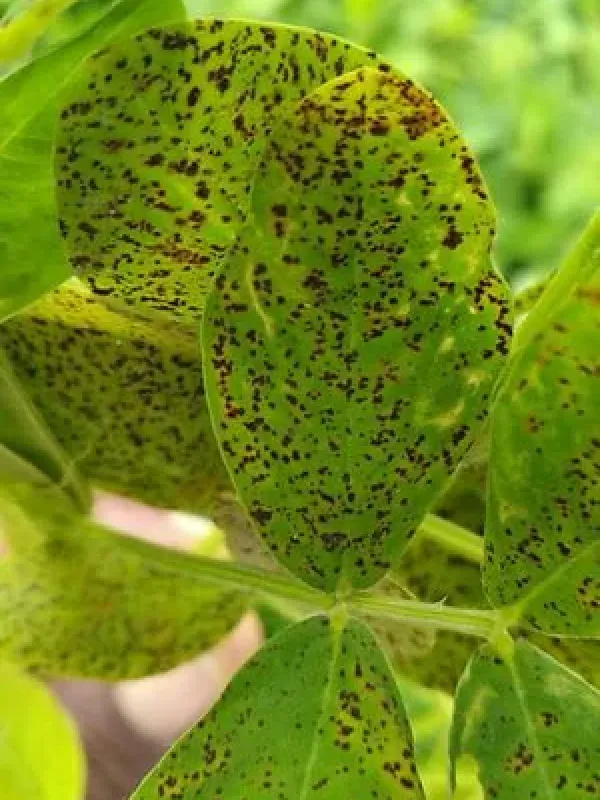
The disease is characterized by small, irregular lesions on leaves that are often referred to as pepper spot due to their distinctive appearance.
These spots can range from tan to dark brown or black and are frequently surrounded by a noticeable chlorotic halo.
A key diagnostic feature is the presence of tiny, black, dot-like fruiting bodies (perithecia) visible within the centers of mature lesions using a hand lens.
As the infection progresses, affected leaves may turn yellow, wither, and eventually drop prematurely from the peanut plant.
Stem and petiole lesions can also occur, which may contribute to general plant decline and weakening of the overall canopy structure.
Pathogen
The disease is caused by the ascomycete fungus Leptosphaerulina crassiasca, a pathogen commonly associated with foliage diseases in various legume crops.
This fungus survives between growing seasons in infested crop debris, serving as the primary source of inoculum for the next crop cycle.
Under suitable environmental conditions, the fungus produces ascospores that are forcibly discharged into the air for dissemination.
The life cycle of the pathogen is closely regulated by moisture availability, enabling rapid infection during periods of high humidity or rainfall.
Once the spores land on susceptible peanut leaf tissue, they germinate and penetrate the epidermal layer, establishing the infection process.
Conditions for development
Leptosphaerulina crassiasca development is highly dependent on warm temperatures and prolonged periods of leaf wetness.
High relative humidity, frequent rainfall, or heavy dew conditions significantly promote the germination and spread of the fungal spores.
Crowded crop stands with poor air circulation often experience higher disease pressure compared to properly spaced fields.
Plants that are stressed due to nutrient imbalances or poor environmental conditions are typically more vulnerable to severe infection.
Peak disease incidence is often observed in the latter half of the growing season as the canopy closes and humidity levels increase.
Why it matters
The primary impact of the disease is the reduction of the functional photosynthetic leaf area, which limits the plant's ability to produce energy.
Premature defoliation directly leads to reduced pod filling and lower kernel quality, impacting the overall yield potential of the crop.
In cases of severe outbreaks, the cumulative loss of foliage can significantly reduce harvestable yields and economic return for producers.
Weakened plants are often less resistant to other biotic and abiotic stresses, which may exacerbate the overall level of damage in the field.
The quality and marketability of the peanut crop are compromised when plants are subjected to heavy infection pressure during critical growth stages.
Protection
Implementing a strict crop rotation schedule is essential to reduce the inoculum levels of Leptosphaerulina crassiasca in the soil.
Deep plowing of field residues following harvest is recommended to bury fungal inoculum and accelerate the decomposition of plant material.
Foliar application of fungicides is the most effective management strategy when weather conditions favor disease development.
Selection of peanut cultivars that exhibit natural resistance or tolerance to fungal leaf diseases should be a priority in disease-prone areas.
Maintaining optimal field hygiene and controlling volunteer plants help to disrupt the disease cycle and minimize the risk of recurring infection.
Pathogens and affected parts
Affects crops · 1
Discussion
No discussions yet — be the first.