
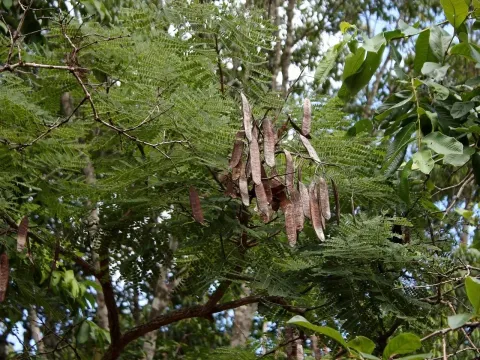
Plathymenia
Plathymenia
Propagation of Plathymenia (Plathymenia reticulata) is primarily achieved through seeds, which require specific preparation for optimal germination. The seeds have a hard seed coat that necessitates scarification to improve moisture absorption.
What the section contains

Plathymenia
In nurseries, seeds are sown in containers with well-aerated substrates during the onset of the rainy season to ensure sufficient moisture for seedling development. This practice helps in maintaining a high survival rate for young plants.
Seedlings are nurtured in the nursery environment until they reach a height of approximately 30–40 cm. During this period, consistent irrigation and shade management are essential for healthy root system formation.
The transplantation to the permanent site must be planned to ensure adequate space for the future canopy growth. Proper spacing is a key factor in achieving high-quality timber development, reducing competition for nutrients.
Seed selection remains crucial, as quality genetic material ensures a straight trunk and resistance to local environmental stressors from the early stages of cultivation.
Plathymenia is a member of the Fabaceae family, native to tropical South American ecosystems. As a heliophilous species, it thrives best in environments with full sunlight exposure and performs poorly under dense forest canopy.
The tree demonstrates high adaptability to various soil types but prefers deep, well-drained soils. Its ability to fix atmospheric nitrogen is a significant environmental advantage, as it enhances soil fertility and benefits surrounding vegetation.
The ideal climate for this species is defined by tropical temperature patterns with distinct seasonal rainfall variations. It requires stable high temperatures throughout the year to maximize photosynthetic activity and biomass production.
Agrotechnical maintenance during the early years is limited to weed control in the tree's immediate vicinity and light pruning to encourage the development of a clean, high-quality bole. Mulching helps retain soil moisture during short dry spells.
Because of its robust nature, Plathymenia is frequently chosen for reforestation programs aimed at restoring degraded land, where it serves as both a timber crop and a soil improver.
While the mature timber of Plathymenia is highly durable, young trees are susceptible to several pests, including defoliating insects that can inhibit growth. Constant monitoring is necessary to protect the investment in the plantation.
Excessive humidity in the rhizosphere can lead to the development of fungal root rot. Proper site selection and drainage management are the most effective preventative measures against such diseases in young forest stands.
Integrated pest management strategies should be adopted to minimize the use of chemical pesticides. This includes the preservation of natural predators and the implementation of proper spacing to improve air circulation within the plantation.
Mechanical damage to the bark during maintenance work can introduce pathogens, necessitating careful handling of equipment. Additionally, browsing by local small mammals may pose a threat to young seedlings in some regions.
A proactive approach to forest health, including the removal of infected individuals, ensures the longevity and high output of the plantation throughout the production cycle.
The harvest of Plathymenia is focused on the extraction of high-quality timber, commercially known as viniatiko wood. This timber is highly regarded for its strength, durability, and attractive grain, which makes it valuable for fine woodworking.
Once trees reach technical maturity, selective harvesting is practiced to ensure the sustainability of the forest plot. This method allows for the continued growth of remaining trees and maintains the forest structure.
After the timber is harvested, it undergoes a controlled drying process. This stage is critical to prevent warping and cracking, ensuring that the wood retains its structural integrity for furniture making and building applications.
Viniatiko wood's natural resistance to decay and insects makes it an ideal material for outdoor furniture and high-end joinery, commanding a premium price in the market.
Sustainable harvesting techniques not only provide high-value timber but also protect the ecosystem services provided by these trees, supporting the long-term viability of forestry operations.