
Piptadenia
Piptadenia
Piptadenia is a genus of flowering plants in the legume family, Fabaceae. These species are primarily native to tropical and subtropical regions, particularly across South and Central America, where they serve as integral components of forest ecosystems.
What the section contains


Piptadenia
The plant thrives in well-drained, nutrient-rich soils and requires consistent warm temperatures throughout the year. It does not tolerate frost, making it suitable only for specific climatic zones where the growth cycle remains uninterrupted by cold spells.
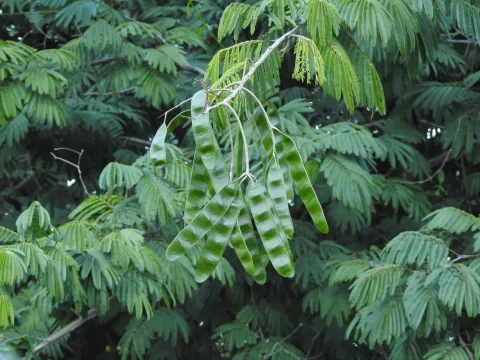
Botanically, Piptadenia is characterized by its bipinnate leaves and clusters of small flowers. The fruits are typically flat, woody pods, which is a common trait among many members of the Mimosoideae subfamily. The species often displays a rapid growth rate under optimal environmental conditions.
Agricultural requirements include careful site selection that provides adequate light and shelter from high-velocity winds. Consistent moisture is necessary during the seedling stage, while mature trees demonstrate a certain level of resilience once their root systems are fully established.
In terms of economic utility, Piptadenia is valued for its durable and high-quality timber. Beyond forestry, these trees are often utilized in reforestation projects to enhance soil quality through nitrogen fixation, as is typical for most legume species.
The main threats to Piptadenia populations include wood-boring insects and beetles that can severely compromise the structural integrity of the trunks. Integrated pest management strategies are highly recommended for managing these risks in plantation settings.
Fungal pathogens represent another major risk, especially in regions with excessive rainfall or poor soil drainage. Such conditions can lead to root rot and bark lesions, significantly weakening the tree's overall vigor and resistance to secondary environmental stressors.