
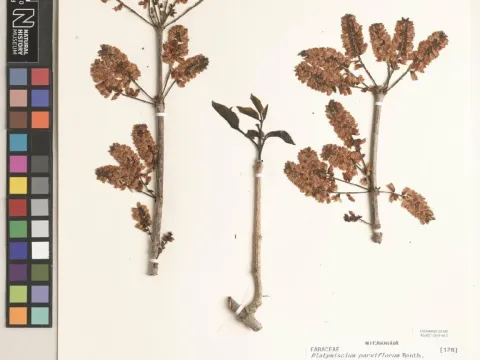
Platymiscium parviflorum
Platymiscium parviflorum
Platymiscium parviflorum is a tropical tree species belonging to the Fabaceae family. Native to parts of Central and South America, it is primarily found in dry tropical forest biomes, where it has evolved to thrive under distinct seasonal moisture patterns.
What the section contains
Platymiscium parviflorum
The climate requirements for this species include high average temperatures and abundant sunlight. It performs best in regions where rainfall is concentrated in specific months, allowing the tree to undergo a natural growth cycle without excessive humidity.
Regarding soil, this culture necessitates excellent drainage. The tree is highly susceptible to root rot if waterlogged, so planting on gentle slopes or in well-aerated, sandy-loam soils is standard practice in successful forestry operations.
Agronomic management focuses on long-term sustainability. Because the wood grows slowly, proper spacing is essential to minimize competition for nutrients and ensure the development of a straight, high-quality trunk suitable for timber use.
The tree is highly regarded for its dense, durable wood, which is utilized for fine woodworking, instrument making, and luxury flooring. Its aesthetic grain patterns make it a premium choice in the international lumber market.
Fungal diseases are a primary concern, particularly during the transition between dry and wet seasons. Leaf spot pathogens can weaken the foliage and impact photosynthetic capacity if not monitored effectively.
Boring insects represent the most significant threat to the commercial value of the timber. These pests tunnel into the trunk, leaving structural damage that renders the wood unsuitable for high-end applications.
Competing weeds and invasive grasses in the nursery phase can stunt the growth of young saplings. Intensive weed management during the first two to three years is critical to ensure the tree reaches a competitive height.
Mammalian grazing, especially by local wildlife, can damage the bark of young trees. Protecting the stem is often necessary in plantation settings to prevent secondary infection by opportunistic bacteria or fungi.
Regular forest health monitoring programs are essential. By maintaining a balance between tree health and environmental stressors, land managers can successfully mitigate the risks of large-scale pest infestations.