
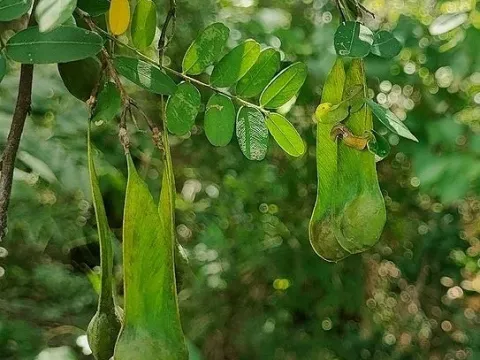
Platypodium
Platypodium
Platypodium is a genus of large deciduous trees in the Fabaceae (legume) family, naturally occurring across the tropical regions of Central and South America.
What the section contains

Platypodium
These trees thrive in humid tropical forests but possess an inherent adaptability to seasonal moisture fluctuations, requiring deep, well-drained soils for optimal root development.
Growth is maximized under full sun conditions, as the species is highly light-demanding; in its native habitat, it is frequently found in secondary forests or canopy gaps.
The plant exhibits moderate drought tolerance, a physiological adaptation that allows it to shed leaves during dry spells to minimize transpiration and conserve moisture.
In silvicultural practices, managing stand density is crucial, as Platypodium requires significant space to develop a straight and clear bole suitable for timber production.
The primary economic value of this crop is its premium-grade timber, which is often marketed for its density, durability, and visually appealing, intricate wood grain.
Because of its physical properties, the wood is highly sought after by furniture makers, artisans, and manufacturers of high-end musical instruments.
The growth rate of Platypodium is classified as moderate compared to other fast-growing tropical species, necessitating long-term strategic planning for plantation management.
Yield efficiency is directly linked to silvicultural care; proper pruning and spacing can significantly improve the volume of high-quality lumber harvested per hectare.
In addition to timber, the species contributes to soil health through nitrogen fixation, making it an excellent candidate for integrated agroforestry and soil enrichment projects.
Like many tropical hardwoods, Platypodium is susceptible to fungal infections when planted in areas with poor airflow and excessive soil moisture levels.
Root rots are considered the most significant pathological threat, particularly in poorly drained or heavy clay soils where moisture stagnation occurs.
Wood-boring insects and termites present a constant risk to mature trees, as they can degrade the structural integrity and marketability of the harvested logs.
Defoliating insects may occasionally attack young saplings during the active growth season, which can result in stunted development and increased vulnerability to other stressors.
Effective plantation management requires rigorous sanitary protocols and consistent monitoring to mitigate the spread of pests and diseases across the forest tract.