
Plathymenia reticulata
Plathymenia reticulata
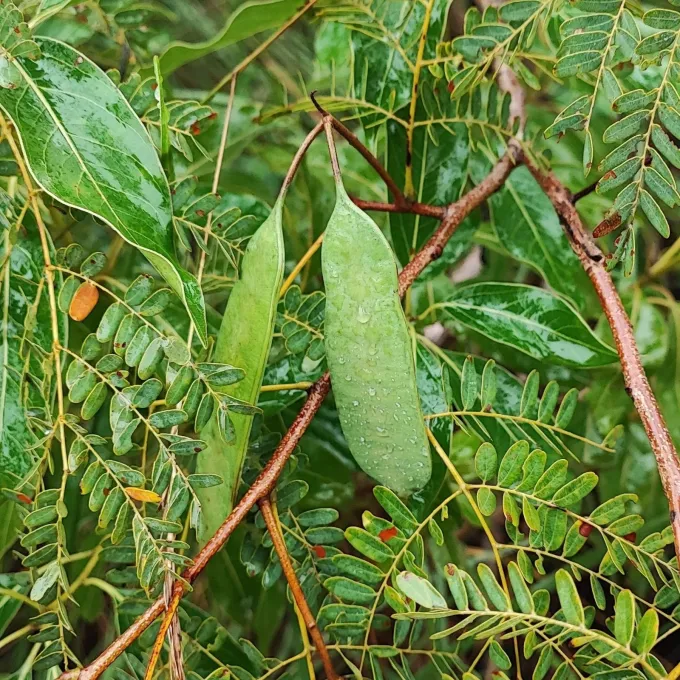
Description
Growing requirements
Plathymenia reticulata belongs to the Fabaceae family. It is a prominent tropical tree species native to the diverse landscapes of South America, particularly Brazil, where it is commonly recognized by the local name vinco.
The species prefers deep, well-drained soils with a neutral to slightly acidic pH level. It demonstrates high adaptability to various soil types, though optimal development occurs in environments that provide consistent moisture without waterlogging the root system.
Climatic requirements are defined by tropical conditions with distinct seasonal rainfall patterns. As a light-demanding species, it requires ample solar exposure to achieve maximum growth rates during its early developmental stages.
Botanically, the species is a deciduous tree that can grow up to 25 meters tall. It features pinnate leaves and a spreading crown, characteristics typical of the Mimosoideae subfamily to which it belongs within the broader legume classification.
The economic value of this tree is derived from its high-quality timber. The wood is prized for its exceptional resistance to decay and pests, making it highly sought after for luxury furniture manufacturing, heavy construction, and high-end flooring.
Main diseases and pests
Fungal infections pose a significant threat to Plathymenia, especially in nursery settings where high humidity can promote the development of pathogens affecting the bark and root systems of young saplings.
Wood-boring insects represent a major concern for commercial forestry operations, as they can compromise the structural integrity of the timber if infestation is not managed through rigorous monitoring.
Herbivory by local wildlife can severely impact young trees in reforestation projects, often requiring protective measures such as physical fencing to ensure the survival of newly planted stands.
Environmental degradation and illegal deforestation significantly threaten wild populations, leading to a loss of genetic diversity and habitat fragmentation in the regions where the tree naturally thrives.
Monitoring for signs of branch dieback and overall plant vigor is essential for forest managers to mitigate the negative impacts of unpredictable seasonal climate fluctuations on the overall plantation yield.