
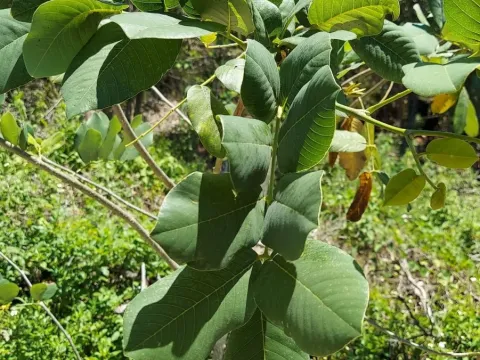
Piscidia
Piscidia
Piscidia (most commonly Piscidia piscipula) is typically propagated via seeds, which are sown in well-drained, sandy substrate during the spring season. Warm temperatures are crucial to initiate the germination process for these tropical seeds.
What the section contains

Piscidia
Seed scarification is highly recommended to break the hard seed coat and improve water absorption rates. In their native habitat, these seeds are naturally distributed and germinate after the onset of seasonal rainfall.
In nurseries, container cultivation is standard practice to ensure healthy root development before the final transplantation. Seedlings require shade during their early growth phase to protect them from intense tropical sun.
Once seedlings reach approximately 30 cm in height, they are ready to be transplanted into the field at the start of the rainy season. Proper spacing is essential to prevent overcrowding and to ensure maximum sunlight exposure for each tree.
Maintaining a weed-free zone around the seedlings during the first year is vital, as juvenile plants are sensitive to competition for nutrients and water from aggressive grasses.
Piscidia belongs to the Fabaceae family and is native to the Caribbean, Florida, and parts of Central America. It thrives in well-drained limestone-based or sandy soils, which are characteristic of its natural range.
The tree is strictly tropical and highly sensitive to cold; it cannot survive frost or prolonged periods of low temperatures. An optimal temperature range for active growth is between 22 and 32 degrees Celsius.
While the tree is notably drought-tolerant, exhibiting adaptations to seasonal dry environments, supplemental watering during the peak growing season ensures more robust biomass accumulation.
Piscidia requires full sun exposure to maintain a strong, straight trunk and a dense canopy. Any degree of canopy shade will significantly inhibit the growth rate and structural integrity of the wood.
Good drainage is the most critical soil requirement, as stagnant water is lethal to the root system, frequently leading to decay and tree loss in poorly prepared fields.
The primary economic output of Piscidia is its dense, durable, and highly prized timber. It is sought after for furniture making, boat building, and construction due to its resistance to decay and physical strength.
The bark of the tree, often referred to as Jamaican dogwood, is harvested for its medicinal properties. Careful extraction is necessary to maintain the long-term health of the individual tree during the harvest cycle.
Yields of timber depend on the density of the plantation and the quality of maintenance throughout the 15 to 20-year rotation period. Annual growth rings show significant progress when irrigation is managed during dry months.
Pruning and crown management are essential cultural practices that improve timber quality by reducing knots and promoting a straight, single trunk structure.
As a leguminous species, Piscidia contributes to soil health through nitrogen fixation, which indirectly boosts the productivity of the land and any secondary crops interplanted within the system.
Leaf-eating insects and various species of weevils are the most common pests affecting Piscidia, especially in younger plantations where they can defoliate seedlings quickly.
Fungal diseases, such as leaf spot, are prevalent in areas with high humidity and stagnant air circulation. Prevention relies on proper plantation density and regular thinning of lower branches to improve airflow.
Root rot caused by overwatering or poor drainage is a significant threat to tree survival. Once established, this condition is often irreversible, making site preparation the primary preventive measure.
Mechanical damage to the trunk provides entry points for pathogens and wood-boring insects, necessitating careful handling during maintenance work to protect the bark integrity.
Despite these risks, Piscidia is considered a relatively hardy species in its native range, showing a high level of natural resilience to most local environmental pathogens.
Timber harvesting is conducted through selective logging or clear-cutting once trees reach technical maturity. Using professional forestry machinery ensures minimal waste and high recovery of valuable timber.
Medicinal bark harvesting is performed by stripping from lateral branches during the dormant period to minimize physiological stress on the tree. The collected bark must be dried immediately in temperature-controlled environments.
After harvesting, the stumps of Piscidia possess a strong ability to regenerate via coppicing, allowing for the re-establishment of the stand without the need for replanting seeds.
Processed timber and bark are moved to dry, well-ventilated storage facilities to prevent moisture-related degradation and infestation by wood-destroying beetles.
Harvesting operations must comply with sustainable forestry regulations to ensure that the ecological benefits and resources provided by the species are preserved for future generations.