
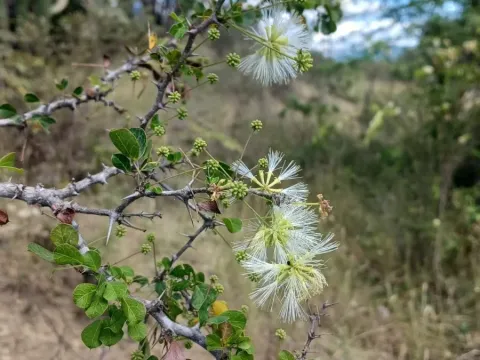
Pithecellobium
Pithecellobium
Pithecellobium is a genus of trees and shrubs belonging to the Fabaceae family. Native to tropical regions of the Americas, these plants are highly valued for their adaptability to diverse soil types and their ability to thrive in challenging, hot, and arid environments.
What the section contains
 Catclaw blackbead
Pithecellobium unguis-cati
Catclaw blackbead
Pithecellobium unguis-cati
 Pithecellobium albicans
Pithecellobium albicans
Pithecellobium albicans
 Pithecellobium filamentosum
Pithecellobium filamentosum
Pithecellobium filamentosum
 Pithecellobium foliolosum
Pithecellobium foliolosum
Pithecellobium foliolosum
 Pithecellobium lanceolatum
Pithecellobium oblongum
Pithecellobium oblongum
Pithecellobium pachypus
Pithecellobium pachypus
Pithecellobium palmeri
Pithecellobium palmeri
Pithecellobium zanzibaricum
Pithecellobium zanzibaricum
Pithecellobium lanceolatum
Pithecellobium lanceolatum
Pithecellobium oblongum
Pithecellobium oblongum
Pithecellobium pachypus
Pithecellobium pachypus
Pithecellobium palmeri
Pithecellobium palmeri
Pithecellobium zanzibaricum
Pithecellobium zanzibaricum
 Texas ebony
Pithecellobium flexicaule
Texas ebony
Pithecellobium flexicaule
Pithecellobium
The culture requires well-drained, nutrient-rich soil to establish a healthy root system. While these plants are drought-tolerant once mature, consistent moisture levels during the early growth stages are essential for maximizing the rate of biomass production and overall plant health.
Optimal growth conditions involve exposure to full sunlight. Shade can negatively impact the plant's structural integrity and reproductive development. Temperature management is crucial; as a tropical genus, it is extremely sensitive to cold temperatures and frost, which must be strictly avoided.
Botanically, the plant is recognized by its bipinnate leaves and unique coiled legume pods, which contain seeds that are often nutritious. The trees are known for their rapid growth rate in favorable conditions, making them ideal for reforestation projects and sustainable agroforestry practices.
Economic utility ranges from timber production to providing essential shade for shade-grown crops like coffee and cacao. Furthermore, the species plays a significant role in nitrogen fixation, enriching the soil quality and reducing the need for chemical fertilizers in agricultural systems.
The primary threats include fungal pathogens that target the root system under conditions of poor soil aeration. Maintaining a correct irrigation schedule is the most effective management strategy to mitigate the risk of root rot and subsequent decline of the tree specimens.
Pests such as aphids, whiteflies, and various scale insects are the most common threats to foliage health. Integrated pest management, including the introduction of natural predators or the application of organic horticultural oils, is recommended to keep pest populations at a non-damaging level.