
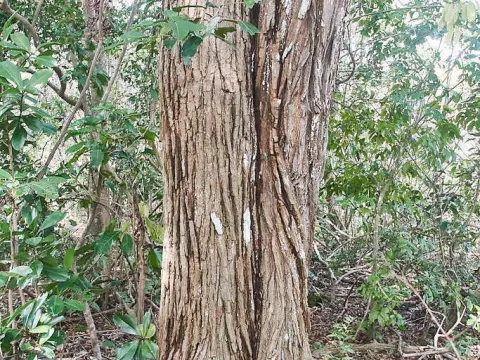
Platymiscium
Platymiscium
Platymiscium is a genus of flowering plants belonging to the Fabaceae family, commonly found in the tropical regions of Central and South America. These trees are well-known for their adaptability to warm and humid climates.
What the section contains

Platymiscium
The cultivation of Platymiscium requires well-draining, nutrient-rich soils. They thrive best in areas with high rainfall and consistent tropical temperatures, making them unsuitable for regions with cold, frosty winters.
Botanically, these trees feature pinnately compound leaves and possess a straight growth habit, which is highly desirable for timber production. They are considered valuable species in agroforestry and forest restoration projects.
Proper environmental management is crucial for early growth stages. Ensuring adequate spacing between trees promotes vertical growth and reduces competition for light, allowing the main stem to develop without defects.
As a legume, Platymiscium contributes to soil health through nitrogen fixation, which is beneficial for surrounding flora. This ecological advantage makes it a preferred species for reforestation in its native range.
The primary economic focus of Platymiscium is its high-quality hardwood, frequently referred to in commerce as cocobolo. It is renowned for its exceptional density, rich colors, and stunning grain patterns.
This wood is highly sought after by musical instrument manufacturers, particularly for guitar parts, as well as by luxury furniture makers. Its durability and resistance to decay make it a top-tier material.
Harvesting follows strict management practices to ensure the species' survival. Sustainable selective logging is employed, where only mature trees are extracted, allowing younger generations to thrive.
Post-harvest processing involves careful drying to stabilize the wood and prevent warping. This ensures the structural integrity of the timber for fine craftsmanship and high-end woodworking applications.
Due to the slow growth rate and high market demand, managed plantations focus on long-term rotation. This strategic approach provides a renewable supply while protecting the surrounding ecosystem.
Fungal pathogens represent a significant threat to Platymiscium, especially in poorly drained sites. Root diseases can become systemic, severely impacting the overall health and growth rate of plantation trees.
Boring insects and wood-dwelling larvae are critical pests for mature trees. These insects tunnel through the heartwood, which causes substantial economic losses by degrading the quality of the timber for export.
Defoliating insects can occasionally cause outbreaks, reducing the tree's photosynthetic capacity. Integrated pest management strategies are necessary to control these populations without harming the wider biodiversity.
Maintaining sanitary conditions within the plantation is the primary defense against disease outbreaks. Removing dead or infected plant matter helps to break the life cycle of common pathogens and pests.
Illegal logging remains a major external threat to wild populations of Platymiscium. Conservation efforts are currently focused on tracking timber origin to ensure it comes from legal and sustainable sources.