
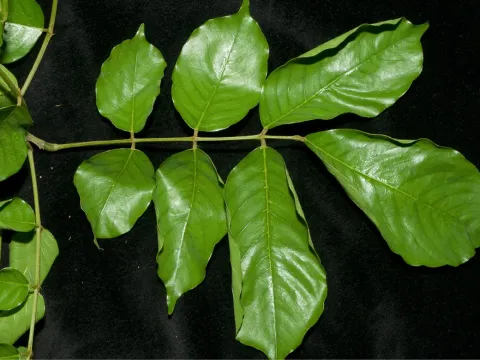
Platysepalum
Platysepalum
The genus Platysepalum belongs to the Fabaceae family. These plants are primarily characterized as tropical lianas or shrubs native to sub-Saharan Africa.
What the section contains
Platysepalum
Cultivation requires a tropical climate with stable temperatures and significant annual rainfall. These plants thrive in areas where the humidity levels remain high throughout the growing season.
Soil requirements involve well-draining textures with moderate acidity. As nitrogen-fixing legumes, they play an important role in local ecosystems by improving soil fertility through symbiotic rhizobia.
Botanically, they exhibit distinct morphological traits, such as papilionaceous flowers and pods containing seeds. Their growth habit is often climbing or sprawling, necessitating support structures in intensive cultivation.
Agricultural management requires careful attention to spacing and light exposure. In their natural habitat, they are often found in forest clearings, indicating a preference for filtered or direct sunlight.
The economic value of Platysepalum lies in its potential as a forage crop and a soil improver. It contributes to the overall biomass production in tropical agroforestry systems.
Fungal pathogens represent the primary biological threat to Platysepalum plantations. Excess moisture often leads to leaf spots and stem rot, which can devastate an entire field.
Insects, particularly sap-sucking pests and defoliators, pose a continuous risk to plant health. Integrated pest management is recommended to mitigate the impact of these herbivores.
Soil-borne pathogens and nematodes can severely inhibit root development. Maintaining proper sanitation of the planting material is essential for establishing a healthy crop.
Competition from fast-growing invasive weeds is a major constraint during the establishment phase. Effective weed control measures are required to ensure the plant's survival.
Environmental stress, such as unseasonal drought or extreme waterlogging, negatively impacts the plant's physiological stability and long-term yield potential.