
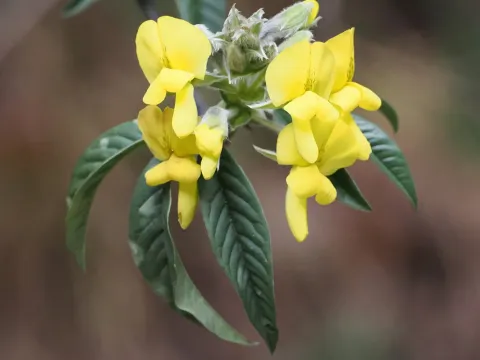
Piptanthus
Piptanthus
Sowing Piptanthus seeds is best performed in the spring once the soil has warmed up, ensuring optimal conditions for germination and early seedling development.
What the section contains


Piptanthus
Cold stratification of seeds for approximately 6 to 8 weeks is highly recommended to break dormancy and increase the overall success rate of your sowing efforts.
When planting nursery-grown saplings, wait until the threat of late spring frosts has passed to avoid damage to the emerging foliage of the young shrub.
Ensure the planting site is prepared with well-draining soil, as Piptanthus is sensitive to waterlogged conditions that can compromise its root health.
Space the plants adequately to ensure good airflow, which is essential for healthy growth and preventing issues associated with excessive moisture and humidity.
Piptanthus is a member of the Fabaceae family, recognized for its striking yellow pea-like flowers and trifoliate leaves that provide excellent aesthetic value.
This crop thrives in full sun but can tolerate light shade; however, maximum flowering potential is achieved when the plant receives at least six hours of direct sunlight.
Soil quality is paramount: the plant prefers neutral to slightly acidic, loose, and fertile soil that allows roots to penetrate deeply without encountering heavy clay barriers.
In colder climates, winter protection is necessary as some species may suffer damage from prolonged frost, so mulching around the base of the plant is advisable.
Watering should be consistent during the first year of establishment, after which the shrub becomes relatively drought-tolerant and requires less frequent irrigation.
Root rot represents a significant threat to Piptanthus when grown in poorly drained soils, often exacerbated by over-irrigation during the cooler months of the year.
Common garden pests such as aphids and spider mites may infest the foliage, particularly during hot and dry spells, necessitating prompt monitoring and intervention.
Fungal infections, such as leaf spot or mildew, can occur in stagnant air conditions, making proper pruning and spacing essential for maintaining plant health.
- Apply horticultural oils to manage early aphid infestations.
- Use copper-based fungicides if fungal spotting is identified.
- Prune out any dead or damaged branches during the dormant season.
Integrated pest management remains the most effective strategy for ensuring the long-term vitality of Piptanthus in both landscape and specialized garden settings.