
Piptadeniastrum
Piptadeniastrum
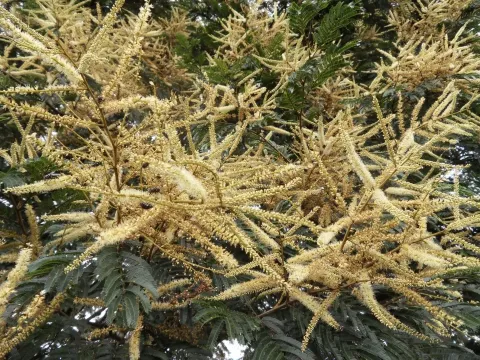
Piptadeniastrum (Piptadeniastrum africanum) is a majestic tree species belonging to the legume family, Fabaceae. It is native to the tropical rainforests of West and Central Africa, where it often stands out due to its height and broad crown.
What the section contains

Piptadeniastrum
The tree thrives in deep, fertile soils that provide sufficient moisture and drainage. It requires a humid tropical climate characterized by year-round high temperatures and significant annual rainfall to achieve its full potential growth.
Being a light-demanding species, Piptadeniastrum typically regenerates in forest gaps or on the edges of primary forests. Its rapid growth rate allows it to quickly dominate open areas, contributing to the structural complexity of the forest canopy.
A crucial agronomic feature of this tree is its ability to fix atmospheric nitrogen through a symbiotic relationship with soil bacteria. This process significantly improves soil nutrient levels, benefiting the surrounding forest ecosystem.
The root system is robust and extensive, which provides necessary anchorage for the tree to withstand tropical storms. This structural integrity also plays a vital role in preventing soil erosion in areas with high precipitation levels.
The primary economic output of Piptadeniastrum is its high-quality timber, which is highly valued for its strength and durability. Often marketed for industrial purposes, the wood is resilient against decay and moisture.
Its timber is extensively used in heavy construction, bridge building, and flooring due to its high density and resistance to pests. The wood is widely exported and serves as a sustainable alternative to slower-growing hardwood species.
Traditional usage includes the application of bark and root extracts in medicinal preparations by indigenous communities. Research continues into the phytochemical properties of the plant, focusing on its anti-inflammatory potential.
The tree provides substantial ecosystem services, serving as a habitat for numerous insect and bird species. Its role in carbon sequestration and canopy closure is essential for maintaining local climate stability.
Sustainable management strategies are paramount to ensure the longevity of the species. Proper silvicultural practices, including selective harvesting and reforestation programs, are necessary to balance industrial demand with environmental preservation.