
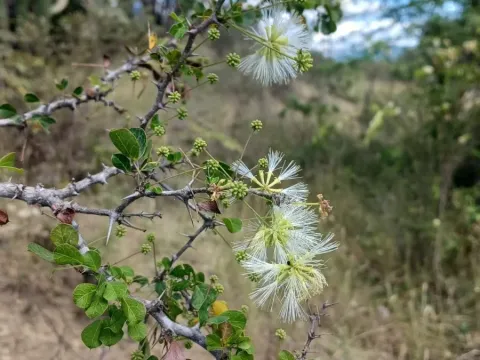
Pithecellobium
Pithecellobium Mart.
Pithecellobium is a genus of evergreen trees and shrubs belonging to the Fabaceae family. Native to tropical regions of the Americas, these plants have successfully adapted to hot climates worldwide.
What the section contains

Pithecellobium
The culture thrives in full sun and requires consistently warm temperatures to sustain vigorous growth. It is highly susceptible to frost, making it suitable only for tropical and subtropical zones where temperatures remain mild throughout the year.
While not overly demanding regarding soil type, the plant prefers well-drained, fertile loam. It exhibits significant drought tolerance, allowing it to survive in regions with pronounced dry seasons.
The extensive root system is capable of accessing deep groundwater, ensuring plant survival during prolonged dry spells. Additionally, the species demonstrates tolerance to slightly saline soils, enhancing its value for land reclamation.
A distinctive biological trait is its nitrogen-fixing ability, established through a symbiotic relationship with soil bacteria. This makes the plant an essential component in agroforestry for enhancing soil fertility.
The wood of Pithecellobium is highly valued for its durability and aesthetic texture, making it suitable for furniture making and light construction. It provides a reliable source of timber in tropical regions.
Seeds and pods from certain species are used locally as fodder for livestock or occasionally in food preparation. The foliage serves as excellent organic matter for soil enrichment when pruned.
In landscaping, this culture is prized for creating fast-growing hedges and windbreaks. The dense canopy provides effective shading in arid environments, improving the microclimate.
Flowers are often harvested for essential oils used in the perfume industry due to their fragrant properties. The tree is widely incorporated into urban reforestation projects for its decorative appeal.
Sustainable timber yield depends on density management and periodic thinning. Under optimal conditions, trees reach harvestable trunk sizes in approximately 15 to 20 years.
Fungal infections are the primary threat, often occurring due to waterlogged soil conditions. Proper drainage systems are essential to prevent root and collar rot from devastating the plantation.
Aphids and scale insects can cause significant damage during periods of environmental stress or poor irrigation. Regular monitoring and integrated pest management are recommended to maintain plant health.
Leaf-eating caterpillars may infest young foliage, which can stunt the growth of saplings. Biological control measures are preferred to mitigate infestations without disrupting the local ecosystem.
Improper pruning techniques create large wounds that act as entry points for pathogens, potentially leading to heart rot. It is advised to prune during dry weather and protect cuts with antiseptic agents.
Nutritional imbalances in the soil can lead to leaf chlorosis, weakening the plant's natural defenses against pathogens and environmental fluctuations.