
Bloodworth Grape
Vitis bloodworthiana
Description
Growing requirements
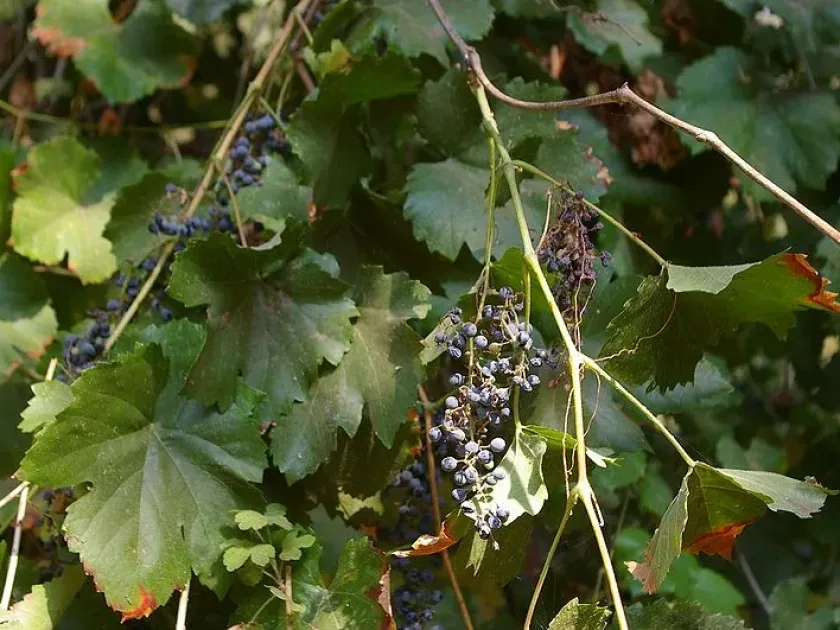
The Bloodworth Grape (Vitis bloodworthiana) is a distinctive species within the Vitaceae family. Like other members of the genus Vitis, it functions as a vigorous woody vine that requires structural support to thrive in its natural or cultivated environment.
For optimal growth, the species requires well-draining soil with a pH range between 6.0 and 7.0. It is essential to ensure that the site is free from waterlogging, as the root system is highly sensitive to hypoxia in overly saturated soils.
The plant demonstrates a preference for temperate climates with abundant sunlight. Adequate exposure to solar radiation is critical for photosynthesis and the accumulation of secondary metabolites within the fruit tissues throughout the growing season.
Effective viticulture for this species involves rigorous pruning practices to manage canopy density. Proper ventilation within the leaf mass is essential to reduce the humidity levels that often trigger various pathogens common to the genus.
Climatic requirements also include a sufficient duration of heat units to reach full maturation. While somewhat adaptable, the vine thrives best in regions where late spring frosts are not a recurring annual risk for the developing inflorescences.
Main diseases and pests
Vitis bloodworthiana is susceptible to standard viticultural pathogens such as downy mildew (Plasmopara viticola) and powdery mildew (Erysiphe necator). Preventive spraying schedules are vital for maintaining plant health in high-pressure areas.
Insect pests, including the grape phylloxera and leafhoppers, pose a significant risk to the vine's vitality. Regular monitoring of the foliage and implementing early intervention strategies remain the best practices for controlling potential infestations effectively.