
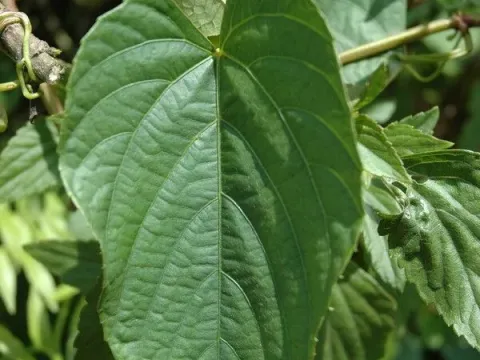
Assam grape vine
Cissus assamica
Cissus assamica is a vigorous climbing plant belonging to the Vitaceae family. Native to the tropical regions of Southeast Asia, it is highly valued for its striking, deeply veined, and often patterned foliage.
What the section contains
Assam grape vine
The plant requires bright, filtered light to thrive and maintain its coloration. Direct, intense sunlight can scorch the leaves, while insufficient light leads to spindly growth and loss of the leaf's distinctive sheen.
Climate requirements include a warm environment with temperatures consistently between 20°C and 25°C. As a tropical species, it dislikes cold drafts and should be protected from temperatures below 15°C.
Soil should be rich, humus-based, and well-draining to prevent waterlogging. A mixture of peat, perlite, and high-quality potting soil provides the ideal aeration necessary for healthy root system development.
Cultivation practices involve keeping the soil moderately moist during the growing season. High humidity is essential, and the plant benefits from regular misting or placement on a humidity tray with pebbles.
Spider mites are the most common pests affecting Cissus assamica, particularly in indoor environments with low humidity. They thrive on the underside of leaves and can cause yellowing and webbing.
Scale insects and mealybugs can also infest the stems and leaf junctions. These pests extract sap from the plant, weakening it over time and encouraging the growth of sooty mold on the foliage.
Fungal issues such as root rot can occur if the soil remains constantly soggy. This disease is usually triggered by overwatering or using containers that lack adequate drainage holes for proper runoff.
Leaf spots caused by fungal pathogens may appear if there is poor air circulation. Improving ventilation around the foliage is a key management strategy to reduce the incidence of leaf-borne diseases.
Integrated pest management, including regular inspection and the use of insecticidal soaps or neem oil, is recommended to control infestations without damaging the delicate foliage of the vine.