
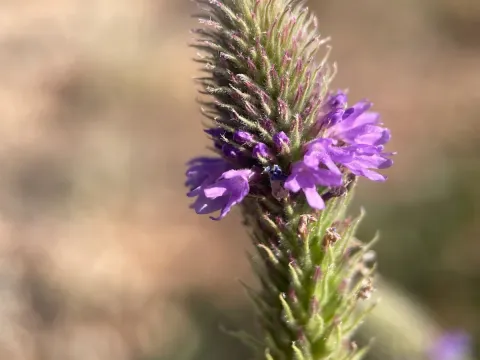
Macdougal's verbena
Verbena macdougalii
Sowing Macdougal's verbena seeds should ideally take place in late winter or early spring using a controlled indoor environment to establish strong seedlings.
What the section contains
Macdougal's verbena
The seeds require a period of stratification in a refrigerator to break dormancy and ensure consistent germination rates across the entire batch.
Surface sowing is recommended as the seeds are light-dependent; press them lightly into the moist seed-starting mix but do not bury them deeply.
Once true leaves appear, seedlings should be carefully pricked out and transplanted into individual pots to avoid root competition during the growth phase.
Transplanting to the final garden location should only happen once all risks of frost have passed and soil temperatures have sufficiently warmed up.
Macdougal's verbena is a perennial plant within the Verbenaceae family, native to the mountainous regions of North America, known for its adaptability.
The plant thrives in full sun exposure, requiring at least six to eight hours of direct sunlight daily to produce vibrant flowers and maintain a compact form.
Well-draining, sandy or loamy soil is preferred, as this species does not tolerate "wet feet" and may develop root rot in heavy, waterlogged clay soils.
This variety is highly drought-tolerant once established, making it an excellent choice for low-maintenance xeriscaping or rocky garden borders.
Regular deadheading of faded blooms will significantly encourage a longer flowering season and help maintain a tidy appearance throughout the summer.
Powdery mildew is the most common fungal issue for this plant, typically appearing during humid periods when there is poor air circulation among the foliage.
Excessive moisture trapped in the crown of the plant can lead to botrytis or root decay, particularly if the soil lacks proper drainage characteristics.
Aphids and spider mites are the primary pests that may attack the succulent growth, especially when the plant is stressed by prolonged heat or drought.
To minimize pest risks, it is important to maintain clean garden beds and provide adequate spacing between plants to ensure airflow reaches the stems.
Integrated pest management, including the use of neem oil or insecticidal soaps, is usually sufficient to handle minor infestations before they become critical.
Harvesting seeds for future propagation should be done after the flower heads have withered and the seed capsules have turned a deep brown shade.
The cut stems with seed heads should be allowed to air dry in a cool, dry place away from direct sunlight to preserve the integrity of the genetic material.
For ornamental or craft purposes, stems can be harvested at the peak of bloom and dried upside down to retain their natural structure and color.
Proper cleaning of the seeds involves rubbing the dried capsules and using a sieve to remove debris before placing the cleaned seeds into airtight storage.
Storing seeds in a cool, dark environment ensures high viability for the next growing season, typically allowing for successful results for several years.