
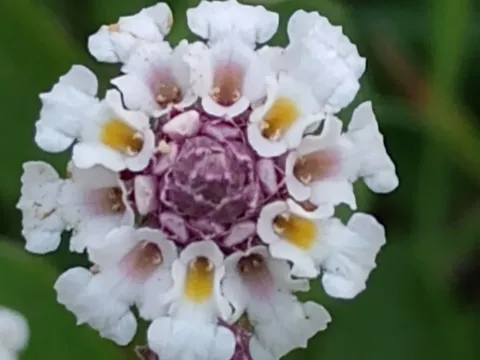
Phyla
Phyla
Propagation of Phyla is primarily achieved through vegetative methods, such as root division or stem cuttings. Early spring is considered the ideal time for planting, once the soil has warmed sufficiently to support rapid root development and initial vegetative growth.
What the section contains


Phyla
Because the plant exhibits vigorous growth, spacing intervals of 30 to 50 centimeters are recommended to allow for full coverage. This density is sufficient to create a uniform mat that helps suppress weed germination in the long term.
In regions with mild winters, autumn planting is also a viable option, provided that moisture levels are carefully managed during the establishment phase. This allows the root system to settle before the plant enters dormancy.
Seed-based propagation is uncommon due to low germination rates and the complexity of seed collection. Consequently, growers typically utilize plugs, container-grown plants, or harvested sod to establish new areas.
Post-planting care involves maintaining consistent soil moisture until the plants are fully established. Mulching may be used in wider spacing configurations to conserve moisture and suppress early weed competition during the growth phase.
Phyla belongs to the Verbenaceae family and is a robust, perennial groundcover valued for its hardiness. It thrives in full sun, where it develops the densest mats and most vibrant foliage, though it can tolerate partial shade.
The plant is highly adaptable to various soil textures, including sandy, loamy, and even saline conditions. It is particularly noted for its ability to withstand periodic waterlogging, which makes it suitable for challenging landscape environments.
Its deep taproot system provides excellent drought resistance once the plants are fully established. In periods of extreme heat, the plant may reduce its growth rate, but it generally maintains its green appearance and structural integrity.
The optimal temperature for active development ranges from +20 to +30 degrees Celsius. While it is not frost-hardy, it often displays a rapid recovery rate in the spring, making it a reliable perennial in temperate climates.
Management of water is essential; while Phyla is tolerant of moisture, proper drainage is still beneficial to prevent root suffocation. Regular fertilization is usually unnecessary but can enhance color and vigor in high-traffic or decorative installations.
Fungal infections, particularly root rot, are the most significant threats to Phyla populations. These occur predominantly when soil moisture levels remain excessively high without adequate aeration, leading to plant death.
Spider mites are a common pest problem, especially in hot, arid conditions. These mites feed on leaf juices, causing yellowing and a decline in overall plant vitality if left unchecked during the peak summer months.
Powdery mildew can affect the foliage if humidity levels are consistently high and air circulation is restricted. This manifests as a characteristic white film on the leaves, which can reduce the plant's aesthetic value.
Nematodes are a potential concern, particularly in sandy soil profiles. Infestation often results in stunted growth and a general decline in the plant's health, necessitating soil treatment or the removal and replacement of affected patches.
While Phyla is an effective weed suppressor, aggressive grasses like Bermuda grass or quackgrass can be problematic during the establishment year. Once the dense mat is formed, Phyla is generally capable of outcompeting most opportunistic weeds.