
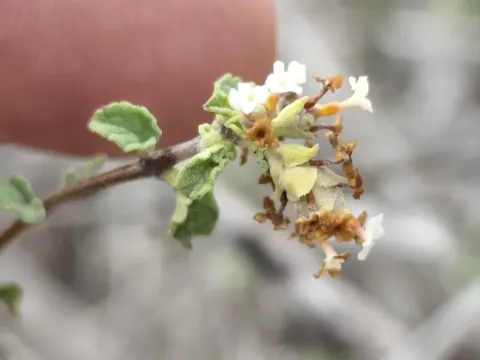
Mexican oregano
Lippia graveolens
Lippia graveolens, commonly known as Mexican oregano, is primarily propagated through seeds or stem cuttings. Seeds should be sown in greenhouses during late winter to produce healthy seedlings ready for spring planting.
What the section contains
Mexican oregano
Transplanting into the open field must occur only after the danger of frost has passed, as the plant is highly sensitive to cold temperatures. The recommended planting spacing is about 50–60 cm between plants to allow for proper airflow.
Seed germination can be slow and sporadic, requiring consistent soil moisture and a warm environment. Using a high-quality seed-starting mix and maintaining a temperature of approximately 20–25 degrees Celsius improves success rates.
Propagation via cuttings is often preferred to ensure genetic consistency. Semi-hardwood cuttings taken in spring or early summer root easily in a well-draining medium with the use of a rooting hormone.
The chosen site for cultivation must receive full sunlight for most of the day, as high light intensity is essential for the development of the essential oils that give the plant its characteristic aroma.
Lippia graveolens belongs to the Verbenaceae family and is native to warm regions of the Americas. It thrives in hot, sunny conditions and requires well-drained, porous soil to prevent root rot.
The plant is not frost-hardy and will suffer significant damage if temperatures drop below freezing. In temperate climates, it is often grown as an annual or overwintered in a greenhouse environment.
Soil should be light and sandy, with a neutral to slightly alkaline pH. High organic matter content can be beneficial, but excessive fertilizer, especially nitrogen, should be avoided to preserve the concentration of aromatic compounds.
Water requirements are moderate. While the plant is drought-tolerant once established, regular irrigation during the growing season will significantly increase the yield of fresh leaves.
Good ventilation is crucial in all stages of growth to prevent fungal diseases. Ensuring sufficient space between plants is a primary agricultural practice to mitigate humidity-related issues.
The yield of Mexican oregano is measured by the quantity of high-quality dried foliage. The best time to harvest is during the onset of flowering, which ensures maximum aromatic potency.
Depending on the growing season and regional climate, two to three harvests per year are achievable. Proper post-harvest pruning encourages the plant to flush out new growth for subsequent harvests.
Productivity is heavily influenced by the amount of sunshine the plants receive throughout their life cycle. Fields located in regions with high solar radiation typically show better yields and more concentrated flavors.
Post-harvest processing involves drying the foliage in a shaded, well-ventilated area. Rapid drying in direct sunlight is discouraged as it leads to the loss of essential oils and discolors the product.
Yield management requires careful handling to maintain the integrity of the leaves. Once dried, the herb should be stored in airtight containers away from heat and light to ensure a long shelf life.
Lippia graveolens is generally resistant to many pests due to its strong essential oils, which act as a natural deterrent. However, greenhouse-grown plants may be susceptible to spider mites and whiteflies.
Root rot is the most serious threat, typically caused by poor drainage or overwatering. Proper soil management and avoiding waterlogged conditions are the best defenses against this issue.
Powdery mildew can occur if plants are spaced too closely or if humidity levels remain high for extended periods. Pruning and thinning are effective ways to improve air circulation and prevent outbreaks.
Nematodes may be a concern in some soil types, making crop rotation or the use of sterile growing media advisable for professional growers.
Because the plant is used for culinary purposes, integrated pest management (IPM) techniques should be used rather than synthetic pesticides to maintain product safety and quality standards.
Harvesting is performed by cutting the top portions of the stems, where the leaves are most aromatic. This process is ideally done in the morning after the dew has evaporated.
Manual harvesting is standard for high-quality culinary herbs, though mechanical harvesters can be used for larger commercial operations to increase efficiency and lower labor costs.
Once harvested, the plant material must be transported quickly to the drying facility. Leaving piles of green biomass in the sun causes unwanted heating and fermentation, which damages the final flavor profile.
The leaves are dried until they are brittle, then stripped from the woody stems. This separation process is vital to ensure that only the most flavorful parts of the plant reach the final product packaging.
The final product is graded based on cleanliness and aromatic intensity. Properly processed Mexican oregano should be free of dust, debris, and stems, ensuring a premium-grade spice for the consumer market.